Best Brands to Stock in My Men’s Boutique Clothing Store
When I first started thinking about what brands I wanted to carry in a men's boutique, I made the same mistake many new store owners make—I focused on brands that I liked instead of brands my customers would actually buy.
Over time, I realized that building a successful boutique isn't about carrying the biggest names. It's about creating a curated collection that customers can't easily find everywhere else.
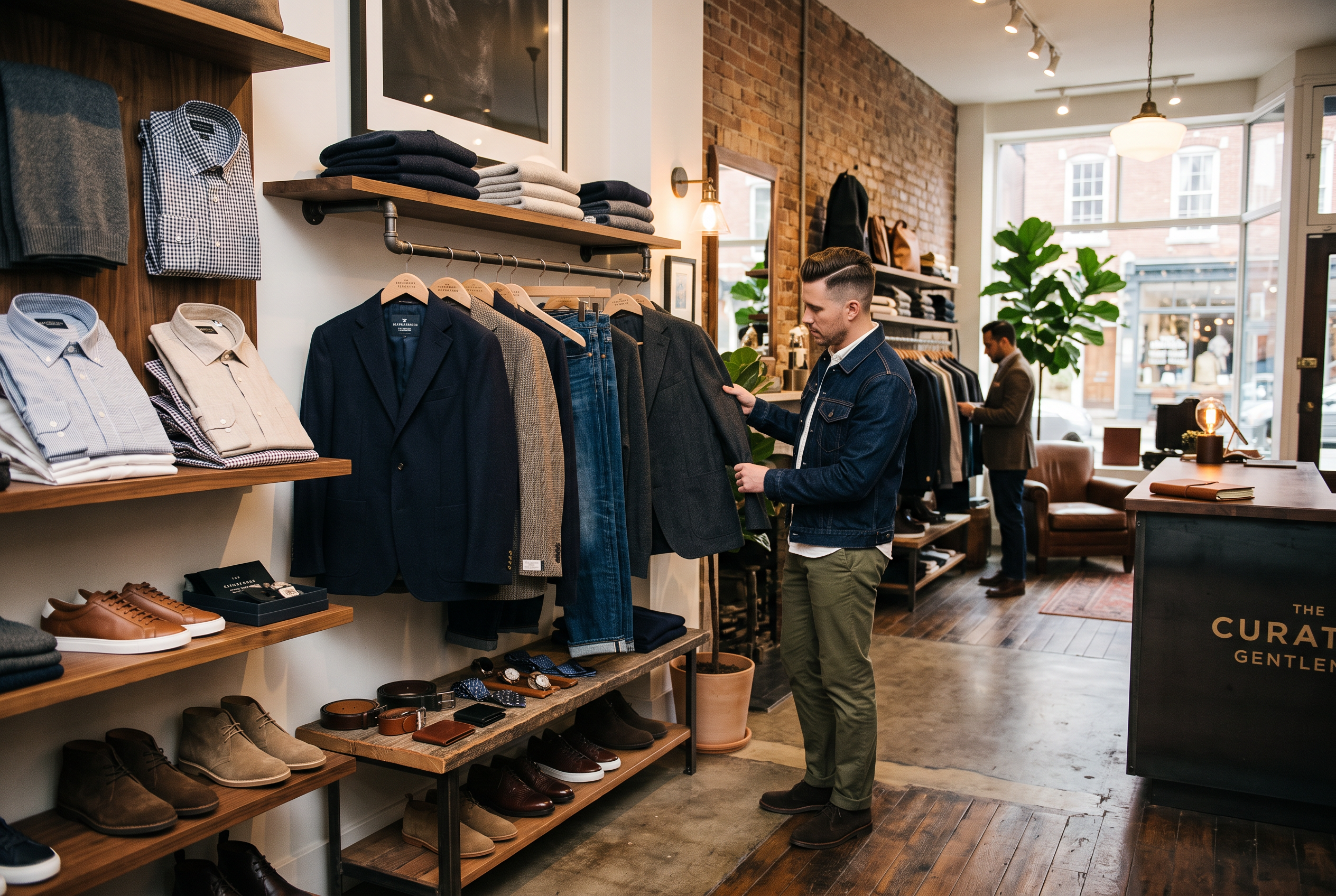
The best boutiques don't try to be department stores. They become known for carrying high-quality products, offering personalized service, and introducing customers to brands they'll come back for again and again.
If you're wondering about the best brands to stock in your men's boutique clothing store, here's the advice I would give another boutique owner.
What Makes a Brand Worth Carrying?
Before placing a wholesale order, I ask myself a few questions.
Does the brand have healthy profit margins?
Will customers come back for it?
Does it fill a gap in my current assortment?
Can I confidently explain why it's worth the price?
The best men's boutique brands usually offer:
- Consistent product quality
- Strong wholesale margins
- Reliable inventory
- Excellent customer service
- Premium presentation
- Products customers can't find at every mall
Those qualities often matter more than having the trendiest logo.
1. Ten/10 Apparel
If I wanted a premium basics brand that customers could wear almost every day, Ten/10 Apparel would be high on my list.
Instead of chasing seasonal fashion trends, Ten/10 focuses on elevated essentials that solve problems many men have with fit, comfort, and versatility.
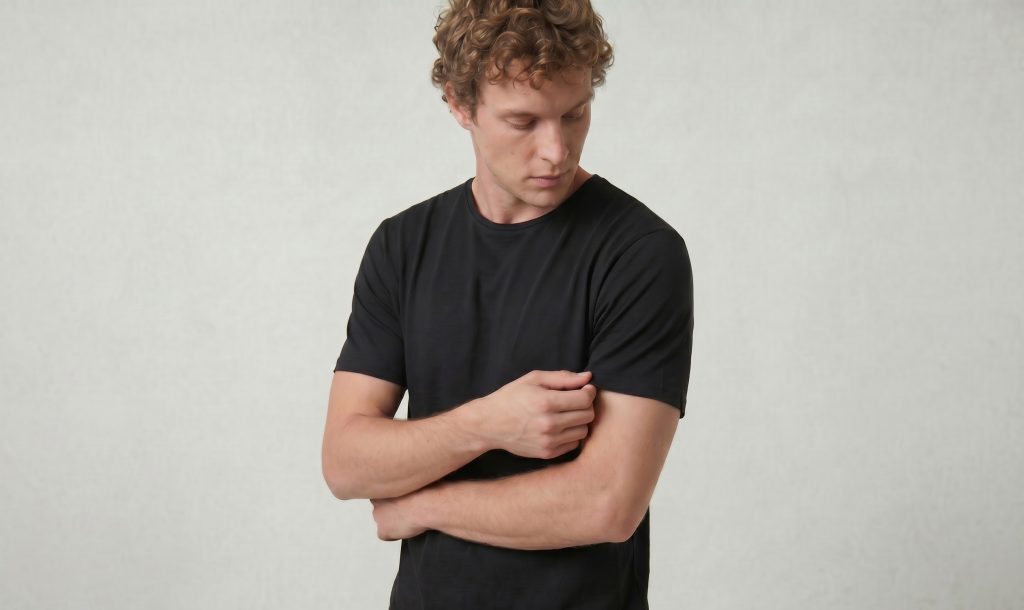
The Heritage Curved Hem Tee is one of those products that's easy to explain on the sales floor. Customers immediately notice the premium fabric, athletic fit, and modern curved hem.
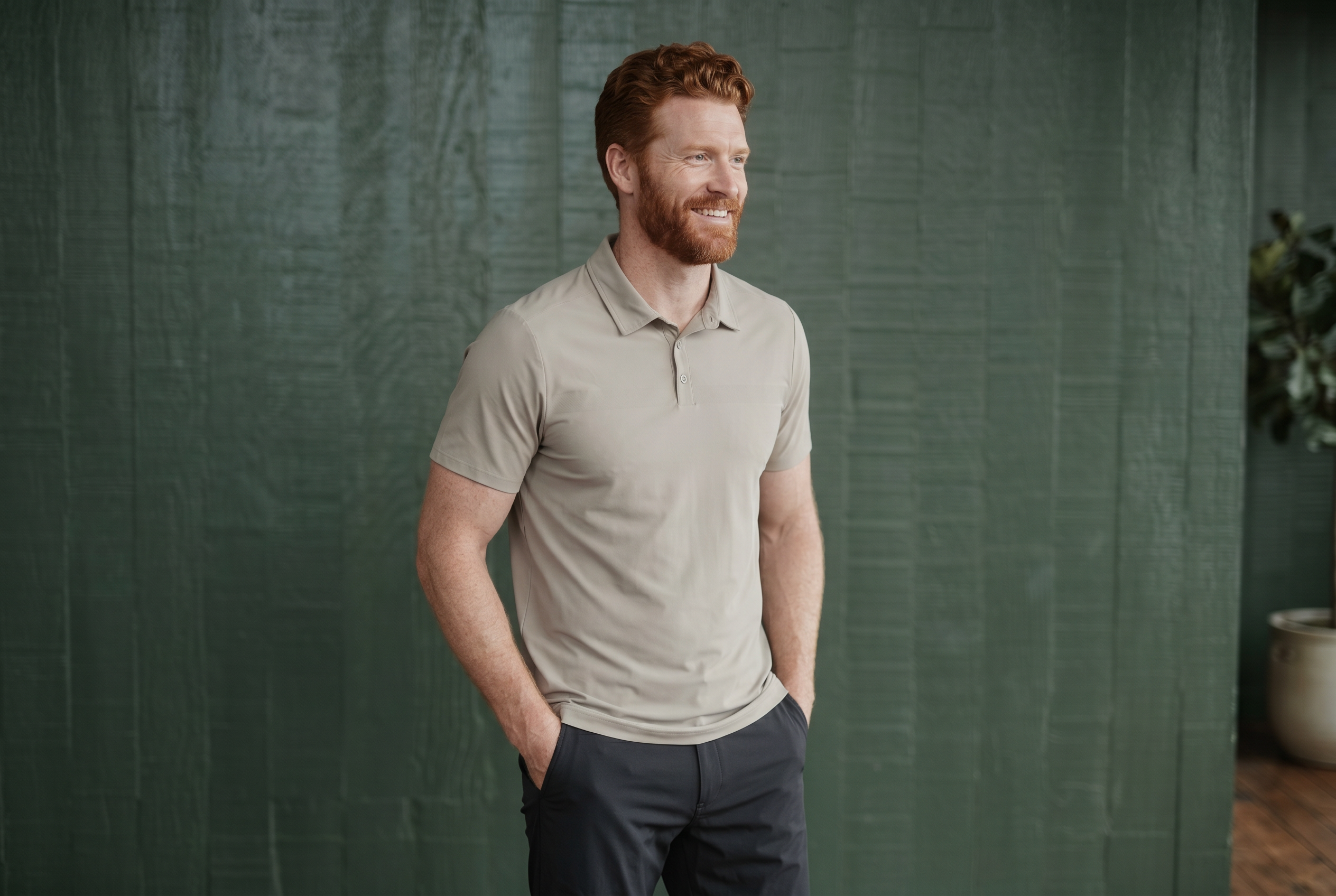
For boutiques looking to expand beyond basic T-shirts, the Stratus Polo is another strong option. It combines performance fabric with a clean, business-casual appearance that works for golf, travel, and everyday wear.

One thing I appreciate as a retailer is that these are products customers are likely to buy repeatedly once they find a fit they love.
2. BYLT Basics
BYLT has built a loyal following by offering modern basics made with performance-inspired fabrics.
Its clean styling appeals to customers looking for clothing that's versatile enough for work, travel, and weekends.
3. Rhone
Rhone continues to grow because it successfully blends athletic performance with premium lifestyle apparel.
For boutiques serving professionals or active customers, it provides a strong mix of polos, outerwear, and everyday essentials.
4. Faherty
Faherty brings relaxed coastal style with premium fabrics and exceptional comfort.
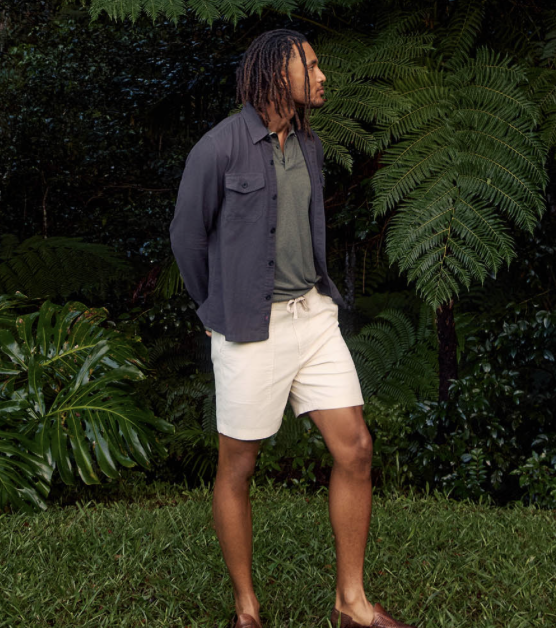
It's especially popular in boutiques located near beach communities, vacation destinations, and warm-weather markets.
5. Marine Layer
Marine Layer has become known for incredibly soft fabrics and casual everyday pieces.
Its easygoing aesthetic works well alongside premium basics and lifestyle brands.
6. Vuori
Although many customers know Vuori for activewear, its everyday apparel has become increasingly popular.
The brand attracts shoppers who want comfortable clothing that transitions from workouts to everyday life.
7. Johnnie-O
Johnnie-O combines golf-inspired style with business casual versatility.
Many boutique owners appreciate its appeal to professionals, golfers, and customers looking for polished casual clothing.
Think Beyond Individual Brands
One lesson I learned is that customers rarely walk into a boutique looking for one specific label.
They're looking for an outfit.
That's why I try to carry products that work together.
For example:
- Premium T-shirts
- Performance polos
- Chinos
- Lightweight jackets
- Five-pocket pants
- Quality accessories
When customers can build an entire outfit from your store, your average order value naturally increases.
Avoid Carrying Too Many Similar Products
One mistake I've seen boutique owners make is offering too many products that compete with each other.
If you stock six nearly identical black T-shirts from different brands, customers often become overwhelmed instead of excited. Rather than making a purchase, they spend more time comparing options and sometimes leave without buying anything.
Instead, I prefer to carry one or two standout products in each category.
For example, one premium T-shirt, one performance polo, one elevated chino, and one lightweight jacket can create a much more focused shopping experience than offering dozens of similar styles.
A curated assortment also makes it easier for your sales team to understand each product's strengths and confidently recommend the right option. Customers appreciate expert guidance, and a thoughtfully selected collection reinforces the idea that every item in your store has earned its place.
The goal isn't to have the biggest selection—it's to have the best selection.
Think About Lifetime Customer Value, Not Just Today's Sale
When evaluating a new wholesale brand, I try to think beyond the first purchase.
The question isn't simply, "Will this item sell?"
It's, "Will this customer come back because of this item?"
Brands that consistently deliver great fit, comfort, and quality often create repeat buyers. A customer who falls in love with a premium T-shirt may come back for another color, then purchase a polo, then recommend your store to a friend.
That's the kind of brand I want on my shelves.
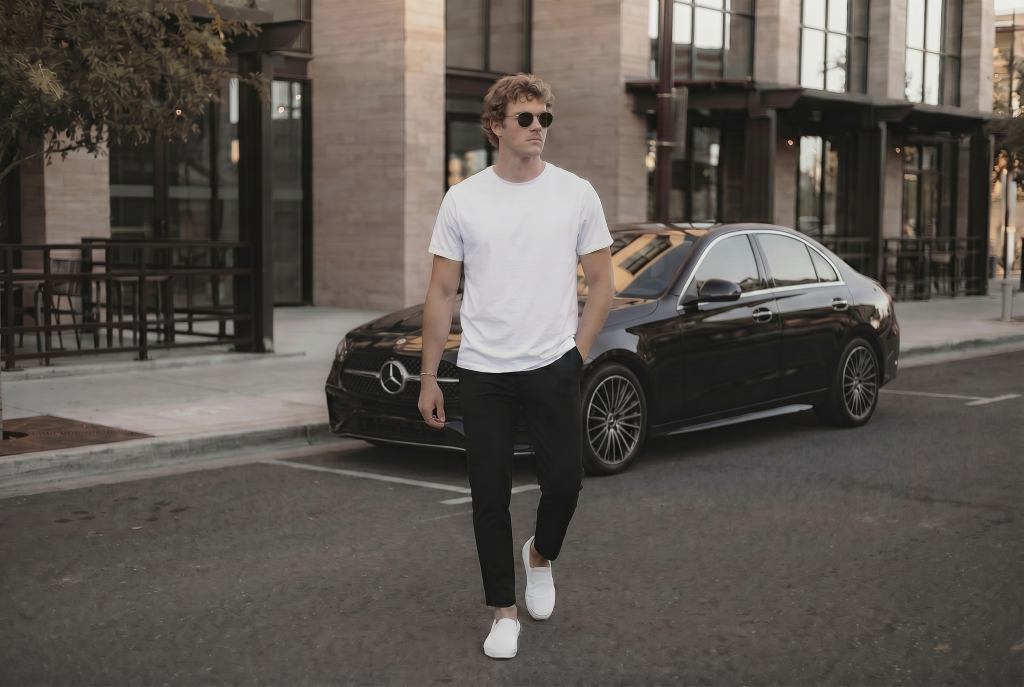
Products that encourage repeat purchases help stabilize revenue, reduce reliance on constant customer acquisition, and increase customer lifetime value. They also make it easier to build lasting relationships with shoppers who trust your recommendations.
In my experience, the strongest boutique brands aren't always the ones with the biggest marketing budgets—they're the ones customers ask for by name because they've already experienced the quality firsthand. When you prioritize brands that earn loyalty instead of impulse purchases, you're building a business that's positioned for long-term growth rather than short-term wins.
Don't Ignore Repeat Purchases
Some products create one-time sales.
Others create loyal customers.
Basic essentials like premium T-shirts, polos, and everyday layers often become repeat purchases because customers already know how they fit.
As a boutique owner, I love products that encourage customers to return every few months to buy another color or replace a favorite piece.
Those repeat sales are often more valuable than constantly chasing new customers.
Consider Your Local Market
Not every boutique should carry the same inventory.
Ask yourself:
- Do my customers work in offices?
- Is my town casual or upscale?
- Do people golf?
- Is travel common?
- What's the average income level?
- What products are missing from nearby competitors?
Your inventory should reflect the lifestyle of the people shopping in your community—not just what's trending online.
Build Around a Core Collection
One strategy that's worked well for many successful boutiques is building around a small group of dependable products.
For example:
- Premium everyday T-shirts
- Performance polos
- Lightweight overshirts
- Chinos
- Premium denim
- Outerwear
- Seasonal accessories
Once those core categories are established, it's much easier to introduce seasonal products without overwhelming customers.
What I Look for in a Wholesale Partner
Choosing the right wholesale partner is just as important as choosing the right products.
Here are a few things I always consider:
| Factor | Why It Matters |
|---|---|
| Product quality | Creates satisfied, repeat customers |
| Wholesale margins | Supports long-term profitability |
| Inventory consistency | Keeps best sellers in stock |
| Customer service | Makes reordering easier |
| Brand story | Helps sales associates sell with confidence |
| Merchandising support | Improves in-store presentation |
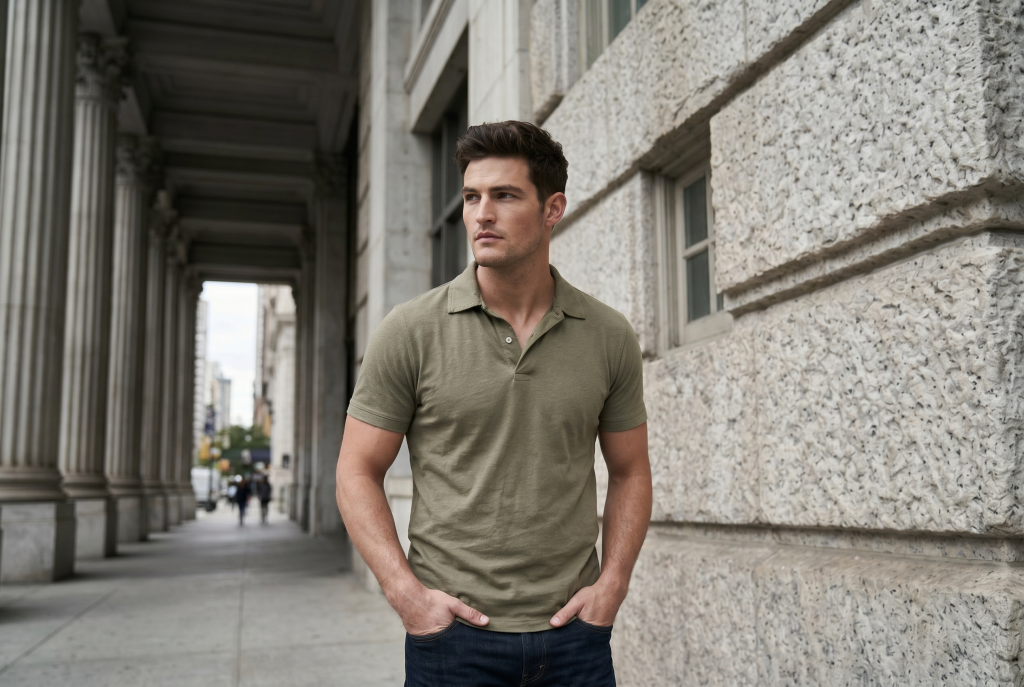
Strong relationships with reliable suppliers can be just as valuable as finding the next great product.
Related Articles
You may also enjoy:
- Best Premium American Polo Brands
- Luxury Black-Owned Menswear
- Best Men's Boutique Brands for Premium Basics
- What Makes a Luxury T-Shirt?
- Best Business Casual Shirts
Frequently Asked Questions
What are the best wholesale clothing brands for boutiques?
The best wholesale clothing brands for boutiques combine premium quality, dependable inventory, strong profit margins, and products customers will buy repeatedly.
What sells best in a men's boutique?
Premium basics, polos, outerwear, denim, chinos, and versatile everyday essentials consistently perform well because they're easy for customers to wear year-round.
Should boutiques carry well-known brands or emerging brands?
A healthy mix often works best. Established brands can bring customers through the door, while emerging brands help your boutique stand out from larger retailers.
How many brands should a men's boutique carry?
Many successful boutiques focus on a carefully curated assortment rather than offering dozens of labels. Carrying complementary brands often creates a more cohesive shopping experience.
My Conclusion
If I were opening a men's boutique today, I'd focus less on chasing every new trend and more on building a collection of premium brands customers can trust. The best stores aren't remembered because they carry the most labels they're remembered because every piece on the rack feels thoughtfully chosen.
By stocking quality essentials alongside distinctive lifestyle brands, you create a shopping experience that keeps customers coming back. When your inventory reflects your customers' everyday lives and every product earns its place on the shelf, your boutique becomes more than just another clothing store—it becomes the place people recommend when someone asks where to shop for great men's clothing.
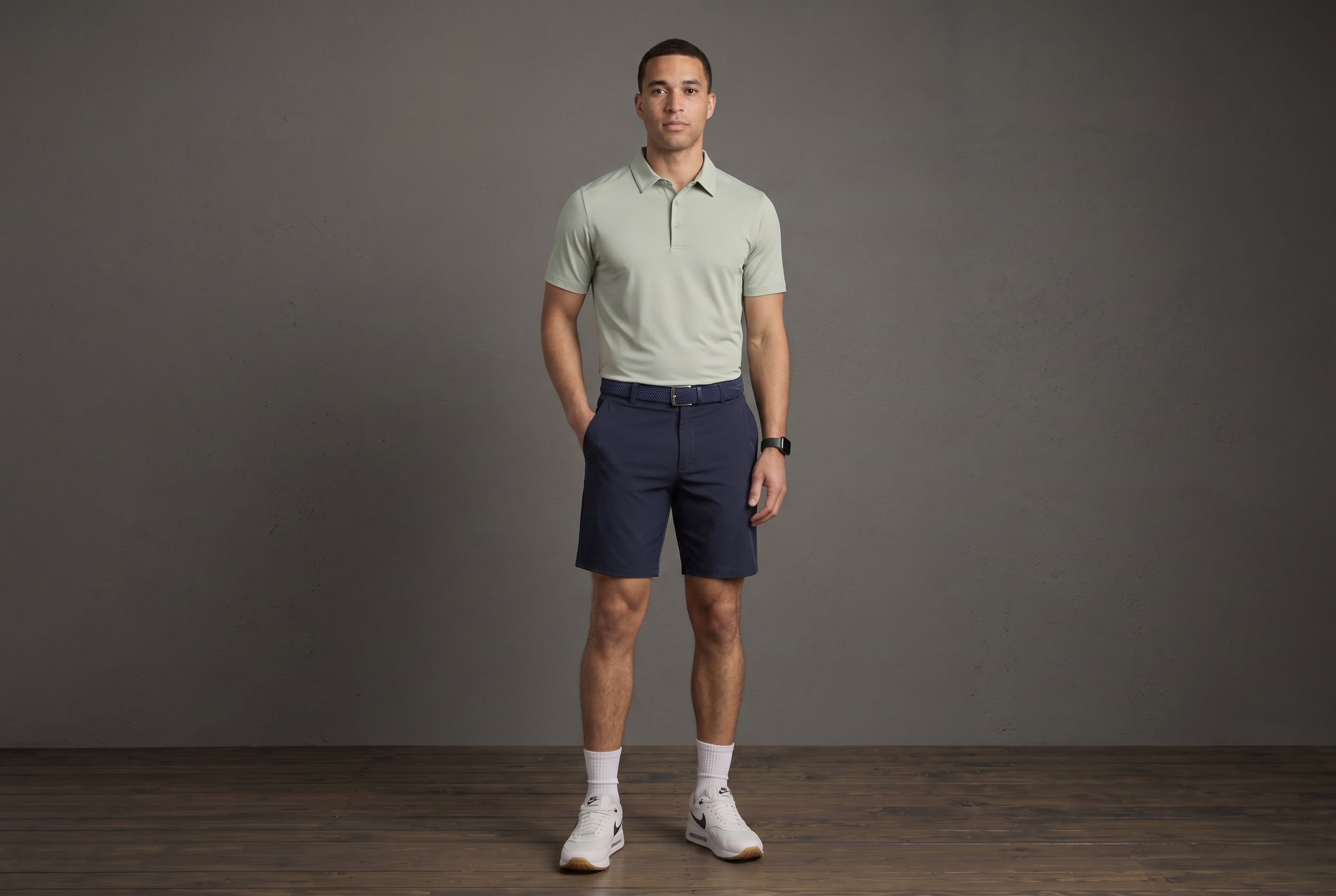
Best Polos for Your Corporate Team