What Does Moisture-Wicking Actually Mean?
Moisture-wicking means a fabric is designed to move sweat away from your skin and spread it across a larger area of the garment, where it can evaporate more efficiently. It doesn't stop you from sweating, and it doesn't automatically mean a shirt will keep you cool.
For years, I saw the phrase moisture-wicking on shirts and basically translated it as:
“This is probably good when it's hot.”
I never really thought about what the fabric was actually doing.
Then I started paying more attention to how different shirts felt after a long day outside, traveling, golfing, or simply walking around in summer.
Two shirts could feel nearly identical when I put them on.

Thirty minutes later, one would feel heavy and wet against my body while the other still felt relatively comfortable.
That difference is where moisture-wicking fabric starts to matter.
But marketing has made the term sound more complicated—and sometimes more magical—than it really is.
Here's what moisture-wicking actually means, how it works, and what I've learned to look for when buying shirts designed to handle sweat.
Moisture-Wicking Does Not Mean Sweat-Proof
This was the first misconception I had.
A moisture-wicking shirt does not prevent sweating.
Your body still produces sweat to regulate temperature.
The shirt's job is to manage that moisture after it reaches the fabric.
A good moisture-management fabric attempts to:
- Pull moisture away from the skin.
- Move it through or along the fabric.
- Spread it over a larger surface area.
- Allow that moisture to evaporate.
That's why the better term is really moisture management.
The fabric isn't deleting sweat.
It's helping your shirt handle it more effectively.
How Does Moisture-Wicking Work?
Think about dropping water onto two different surfaces.
On one surface, the water forms a concentrated puddle.
On another, it spreads outward into a thin layer.
The second one typically has more surface area exposed to air, which can help it evaporate faster.
A good moisture-wicking fabric works on a similar principle.
Instead of allowing sweat to remain concentrated against your skin, the fabric moves moisture away from the body and distributes it.
This process often relies on capillary action, where moisture travels through tiny spaces within the fabric structure.

You don't need to understand textile engineering to benefit from it.
The practical result is simple:
Less wet fabric sitting directly against your skin.
Why Cotton Can Feel So Wet
I still like cotton.
A high-quality cotton T-shirt can feel fantastic.
But when I'm going to sweat heavily, pure cotton usually isn't my first choice.
Cotton absorbs moisture very well.
That's useful in some situations.
The problem is that the moisture can remain inside the fibers instead of moving efficiently through the garment.
That's why a cotton shirt can become:
- Heavy
- Damp
- Slow to dry
- Clingy
- Uncomfortable after prolonged sweating
This is one of the biggest differences when comparing moisture-wicking vs cotton.
Cotton absorbs.
Performance fabrics are often designed to absorb less and transport more.
That distinction becomes noticeable once you're actually hot.
Moisture-Wicking vs. Breathable: They're Not the Same Thing
I used to use these words almost interchangeably.
They're related, but they're different.
Moisture-Wicking
Describes how the material handles moisture.
Breathability
Describes how easily heat, moisture vapor and air can move through the material.
A shirt can technically wick moisture while still feeling relatively warm if the fabric is heavy or poorly ventilated.
Likewise, a highly breathable loose-weave shirt might allow excellent airflow without being especially good at moving liquid sweat.
The best warm-weather shirts usually combine both.
That's why when I'm looking for breathable shirts for men, I don't stop at the word "moisture-wicking."
I look at the entire fabric.
Does Moisture-Wicking Actually Keep You Cooler?
Sometimes—but not automatically.
Here's what helped me understand it.
Your body cools itself partly through evaporative cooling.
Sweat evaporating from your skin removes heat.
A moisture-wicking shirt may help spread that moisture across the fabric, creating more opportunity for evaporation.
That can improve comfort.
But the fabric also needs to breathe.
And the weather matters.
If you're somewhere extremely humid, evaporation happens more slowly because the surrounding air already contains a lot of moisture.
So a moisture-wicking shirt can still help manage sweat, but it's not going to magically make an August afternoon feel like October.
What Fabrics Are Usually Moisture-Wicking?
Synthetic and semi-synthetic performance fabrics are commonly used because manufacturers can engineer them around specific performance characteristics.
You'll frequently see:
Polyester
Lightweight, durable and capable of drying relatively quickly.
Nylon
Strong, smooth and commonly used in performance clothing.
Rayon
Often valued for softness and drape and frequently blended with technical fibers.
Spandex / Elastane
Generally added for stretch rather than moisture management itself, but particularly useful in athletic-fitting clothing.
The real advantage often comes from blends.
Instead of asking one fiber to do everything, a manufacturer can combine fibers to balance:
softness + stretch + durability + moisture management + shape retention.
That's something I've come to appreciate much more than I used to.
Why I Prefer Performance Blends for Fitted Shirts
The more fitted the shirt, the more I notice the fabric.
A giant loose tee has plenty of room for airflow.
An athletic-fit shirt sits much closer to your chest, shoulders and arms.
If that fabric becomes soaked and stays soaked, you notice immediately.
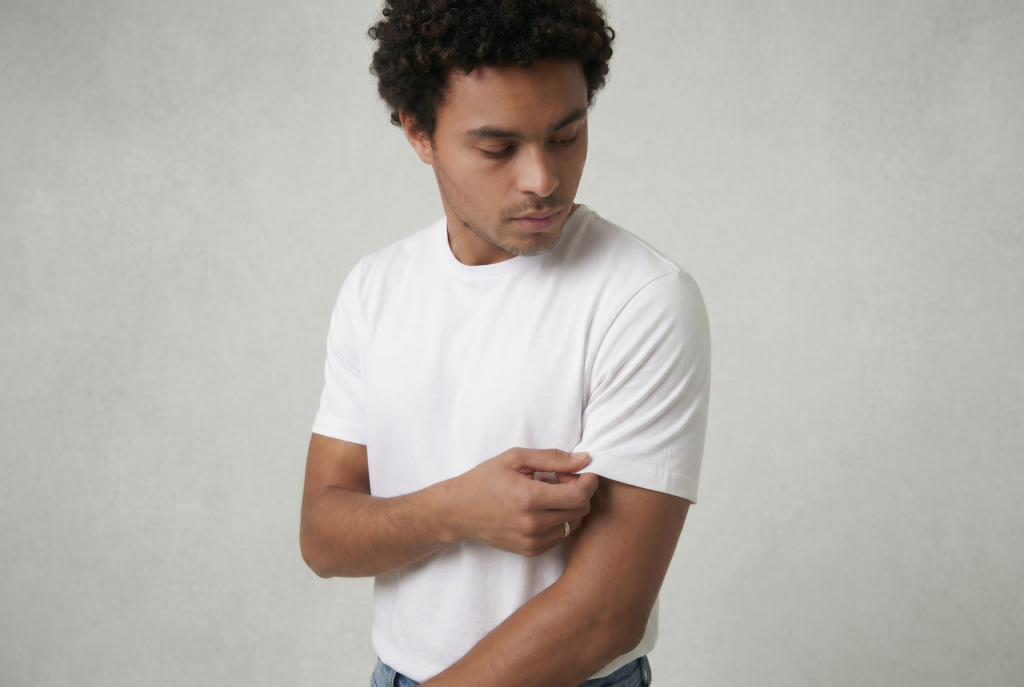
That's one reason performance blends make sense in shirts like the Ten/10 Heritage Tee.
The Heritage uses Ten/10's Aero-Blayde™ fabric, designed around softness, four-way stretch and performance rather than treating the shirt like a traditional heavyweight cotton tee.
For me, that's the sweet spot:

A shirt that looks like premium everyday clothing but behaves more like performance apparel.
Moisture-Wicking Matters More in Polos Than I Expected
I used to associate sweat-wicking fabric with gym shirts.
Now I think it's almost more valuable in a polo.
Think about when you wear a polo:
- Golf
- Business casual offices
- Outdoor meetings
- Summer dinners
- Travel
- Conferences
- Events
These are situations where you want to look polished.
A soaked cotton polo isn't exactly helping.
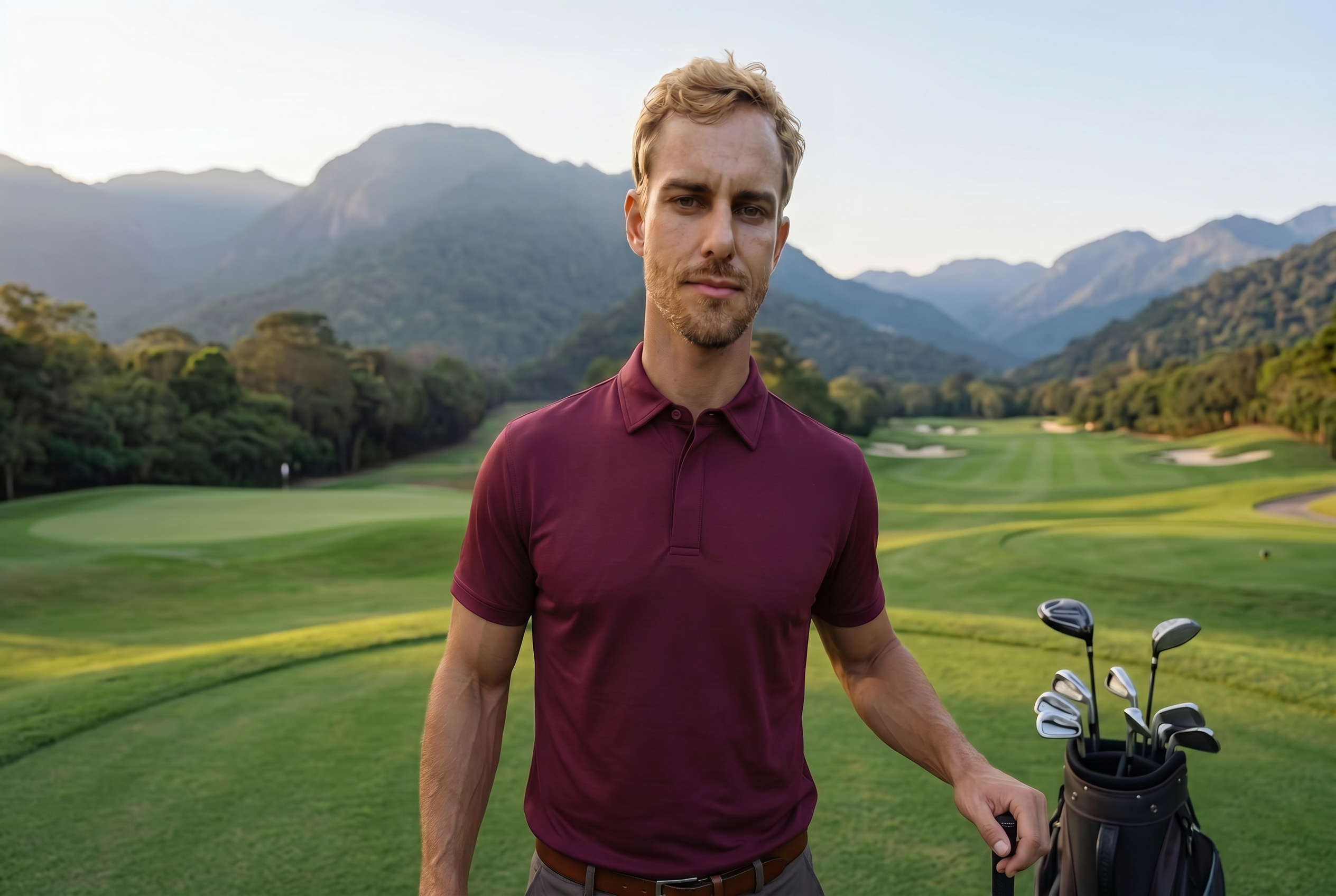
That's one reason I like the Stratus Polo.
It's designed around lightweight performance, stretch and moisture management while still looking like a clean, modern polo rather than athletic equipment.
That combination is what makes technical clothing useful in normal life.
What About Moisture-Wicking T-Shirts?
This is probably the category where the terminology gets abused the most.
Plenty of shirts say "performance."
That doesn't mean they'll all perform equally.
When I'm evaluating moisture-wicking T-shirts, I pay attention to more than the product description.
I look for:
- Lightweight material
- Stretch
- Fabric composition
- How quickly it dries
- Whether it clings when wet
- How well it maintains its shape
- Whether it still feels comfortable after several hours
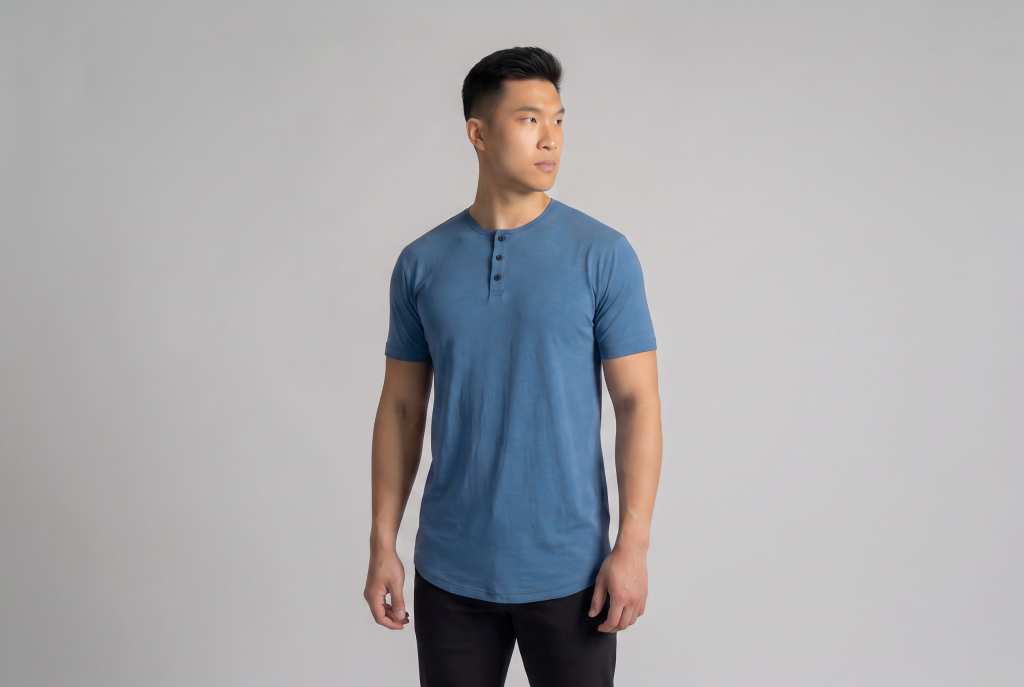
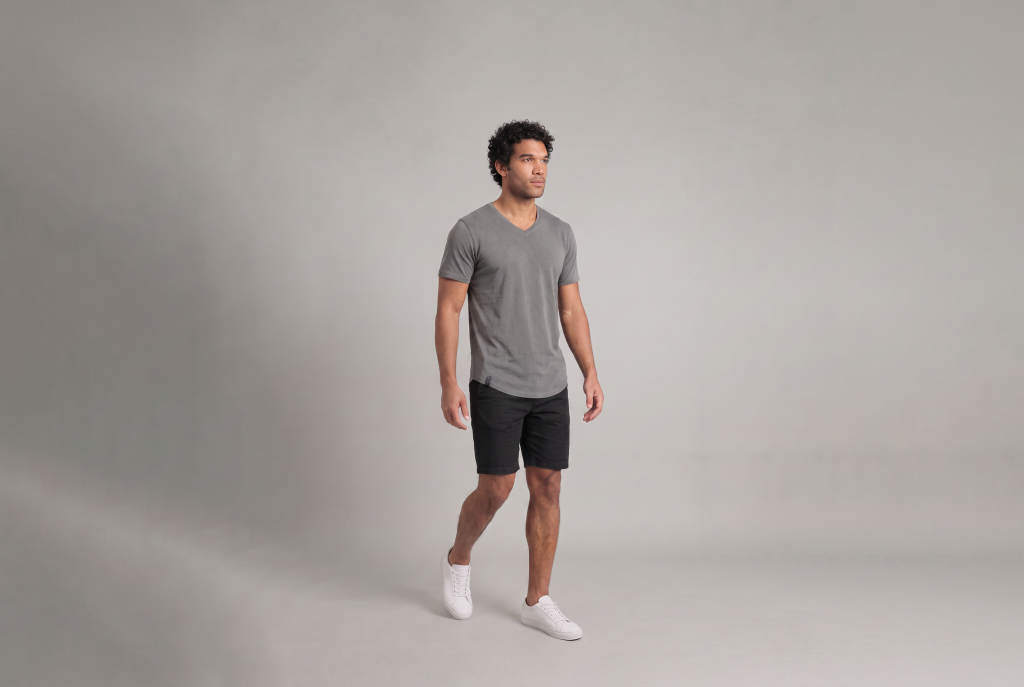
The Curved Hem Tee is the type of everyday shirt I prefer because you get an athletic silhouette without sacrificing the stretch and comfort that become useful when you're moving around all day.
If you prefer more neckline detail, the Short Sleeve Henley applies a similar performance-first philosophy in a different silhouette.
Does Moisture-Wicking Prevent Sweat Stains?
Not necessarily.
This is another place where marketing terminology gets confusing.
Moisture-wicking can help move sweat through and across the material.
But whether you see visible sweat marks depends on:
- Shirt color
- Fabric composition
- Thickness
- Amount of sweat
- How quickly the material dries
- Humidity
- Fit
A light gray shirt may still visibly show perspiration even if the fabric is moving moisture effectively.
So don't confuse:
Moisture-wicking
with
Sweat-proof.
They're not the same thing.
What Does “Quick-Drying” Mean?
Quick-drying and moisture-wicking frequently appear together, but they're also different characteristics.
Wicking: moves moisture.
Quick-drying: releases that moisture relatively quickly.
Ideally, you want both.
A shirt can move sweat away from your skin but still hold onto that moisture longer than you'd like.
That's why when I'm buying sweat-wicking shirts, I consider drying performance just as important as the initial wicking.
This becomes especially noticeable when traveling.
Wash a shirt in a hotel sink, hang it overnight and see what happens.
You'll quickly learn which fabrics really dry quickly.
Why Moisture-Wicking Clothing Can Smell
Here's one downside nobody loves talking about.
Some synthetic fibers can retain odor.
A shirt may dry quickly but still smell worse after repeated sweating than a natural-fiber shirt.
That's why you'll sometimes see performance clothing include:
- Anti-odor treatments
- Silver-based treatments
- Antimicrobial finishes
Care matters too.
Don't leave sweaty performance shirts sitting inside a gym bag for three days and expect miracles.
Wash them properly and follow the care instructions.
How I Wash Moisture-Wicking Shirts
One thing I learned is that you don't necessarily want to treat technical fabrics exactly like heavy cotton clothing.
Generally, I prefer:
- Cold or cool water
- Gentle detergent
- Avoiding excessive heat
- Following the specific care label
- Not using excessive fabric softener
Fabric softener can sometimes coat technical fibers and interfere with the material's ability to manage moisture effectively.
You also don't need extreme dryer heat.
Performance fabric is often designed to dry quickly anyway.
Who Actually Needs Moisture-Wicking Clothing?
Not everyone needs every shirt to be technical.
But I find it particularly useful if you:
Sweat Easily
Pretty obvious.
Live Somewhere Hot or Humid
The more frequently you're sweating, the more often moisture management matters.
Travel Frequently
Performance fabric handles long travel days well and often dries quickly.
Golf or Play Sports
Movement + sun + several hours outdoors makes technical fabric especially useful.
Work Outside
You may be spending hours moving between temperature extremes.
Prefer Athletic-Fit Clothing
Closer-fitting shirts benefit more from moisture management because the fabric sits nearer your skin.
Wear Polos for Work
A professional shirt that manages moisture can be far more comfortable during a long day.
When Moisture-Wicking Doesn't Matter That Much
If I'm sitting inside in air conditioning all day, moisture management probably isn't determining which T-shirt I wear.
Other factors become more important:
- Softness
- Fit
- Durability
- Style
- Fabric weight
- Shape retention
That's the bigger lesson.
Don't buy a shirt because one buzzword sounds impressive.
Buy it because the combination of characteristics makes sense for how you'll actually wear it.
Moisture-Wicking vs. Regular Cotton at a Glance
| Feature | Moisture-Wicking Performance Fabric | Traditional Cotton |
|---|---|---|
| Sweat transport | Usually better | Usually lower |
| Drying speed | Often faster | Often slower |
| Softness | Depends on blend | Often excellent |
| Stretch | Can be excellent | Limited unless blended |
| Warm-weather performance | Usually strong | Depends on weight |
| Moisture absorption | Lower/managed | High |
| Everyday comfort | Excellent with good blend | Excellent |
| Odor resistance | Depends on treatment | Varies |
Neither material automatically wins.
The right answer depends on what you're doing.
A Good Performance Shirt Should Still Look Good
This is probably the biggest change in how I shop.
I used to divide clothes into two categories:
Normal clothes
and
performance clothes.
I don't anymore.
A premium T-shirt should be able to feel soft, look fitted and still manage moisture.
A polo should be appropriate for dinner while still being comfortable during golf.
That's why I like products such as the Heritage Curved Hem Tee, Stratus Polo and Short Sleeve Henley.
They're not designed to scream:
“TECHNICAL PERFORMANCE GARMENT.”
They just quietly perform better.
And that's much more useful to me.
Authority Fabric Resources
If you want to go deeper into the science behind performance fabrics, REI's Expert Advice library has useful educational material explaining base layers, moisture management, breathability and why different fibers behave differently during exercise and outdoor activity.
For more technical textile information, the American Association of Textile Chemists and Colorists (AATCC)develops testing methods and standards used throughout the textile industry, including methods related to moisture behavior and fabric performance.
Explore AATCC Textile Resources
Related Ten/10 Articles
- Why Curved Hem T-Shirts Are the Best Fitting Men's Tees
- Best Lightweight Shorts for Summer
- Business Casual Outfits for Hot Weather
- Performance Polo vs. Cotton Polo: What's the Difference?
Frequently Asked Questions
What does moisture-wicking mean?
Moisture-wicking refers to a fabric's ability to move perspiration away from the skin and spread it across the material so it can evaporate more efficiently.
Does moisture-wicking stop you from sweating?
No. Your body continues producing sweat. Moisture-wicking clothing is designed to manage that sweat rather than prevent it.
Is moisture-wicking better than cotton?
For intense sweating, exercise, hot weather and other active situations, moisture-wicking performance fabrics often dry faster and feel more comfortable. Cotton may still be preferable when softness and natural fibers are your primary priorities.
Is moisture-wicking the same as breathable?
No. Moisture-wicking describes how a fabric manages liquid moisture, while breathability refers to how easily heat, vapor and air can pass through the material.
Do moisture-wicking shirts keep you cool?
They can improve comfort by helping moisture spread and evaporate, but temperature, humidity, fabric weight and breathability also influence how cool you feel.
What fabrics are moisture-wicking?
Polyester and nylon are commonly used in moisture-management clothing, often blended with rayon, spandex or other materials to improve softness, stretch and overall performance.
Are moisture-wicking shirts good for everyday wear?
Yes. Performance fabrics can be especially useful for travel, work, warm weather, golf and long days away from home, provided the garment also offers the fit and appearance you want.
Final Thoughts: Moisture-Wicking Isn't Magic—It's Better Moisture Management
Once I understood what moisture-wicking actually means, I stopped thinking about it as some magical cooling technology.
It doesn't stop sweat.
It doesn't automatically prevent sweat stains.
And it doesn't guarantee that a shirt will feel comfortable.
What it can do is help manage perspiration by moving moisture away from your skin, spreading it through the garment and giving it more opportunity to evaporate.
That's particularly useful when you're golfing, traveling, spending time outside, or wearing a fitted shirt for a long day.
For me, the biggest improvement came when performance fabric stopped looking like performance fabric.
A Heritage Curved Hem Tee can still look like a premium fitted T-shirt.
A Stratus Polo can still look polished enough for work or dinner.
And a Short Sleeve Henley can still look like something I'd wear on a date.
They just happen to handle movement, moisture and long days better than many traditional fabrics.
That's ultimately what I want from modern performance clothing:
I don't want it to look technical. I just want it to work when I need it to.

Extra Soft T-Shirts for Men: The Shirts I Keep Reaching for
Rayon vs. Cotton vs. Polyester: Which Is Best for Men’s T-Shirts?