How Long Should a Curved Hem Shirt Be? The Complete Fit Guide for Men
How Long Should a Curved Hem Shirt Be?
One of the biggest reasons men hesitate to try a curved hem shirt is uncertainty about the length.
Many people have seen shirts that are far too long, creating an oversized or streetwear-inspired look that isn't what they're after. Others worry that a curved hem will look awkward compared to a traditional straight hem.
The truth is that a properly designed curved hem shirt shouldn't look dramatically longer than a regular t-shirt.
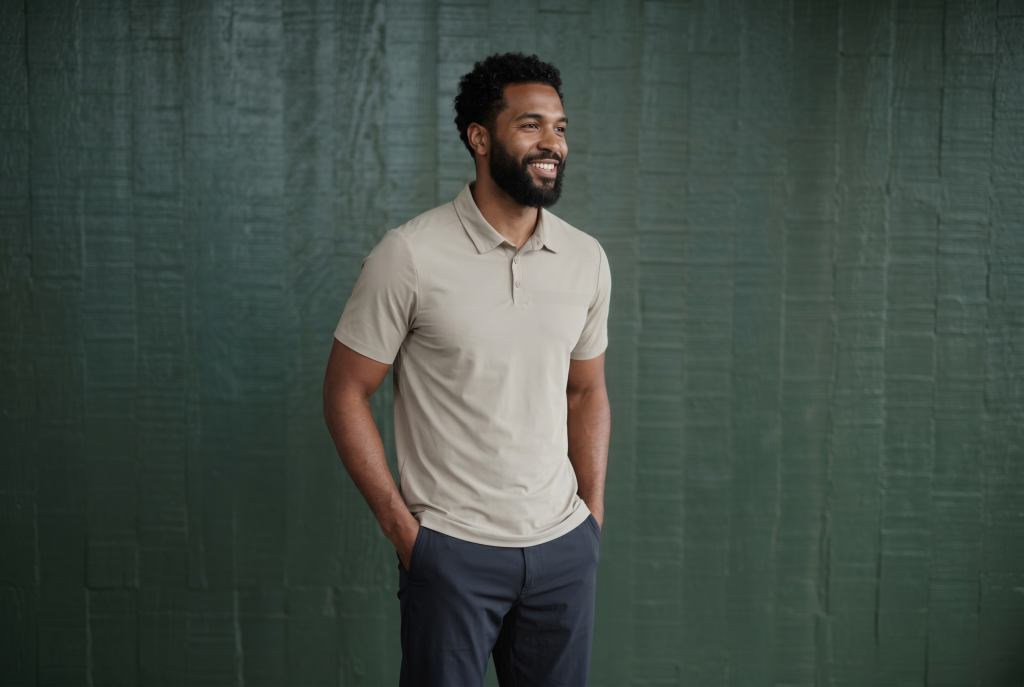
Instead, it should subtly improve your proportions while providing a cleaner silhouette.
When the length is right, a curved hem tee can make you appear taller, create a more balanced shape, and layer better under jackets and overshirts.
In this guide, we'll explain exactly how long a curved hem shirt should be, where it should fall on your body, common fit mistakes to avoid, and how to choose the right length for your height and body type.
Ideal Curved Hem Shirt Length at a Glance
| Fit Element | Ideal Placement |
|---|---|
| Front Hem | Around the middle of the zipper |
| Back Hem | Slightly below the front hem |
| Side Curve | Smooth—not dramatically scooped |
| Sleeve Length | Mid-bicep |
| Shoulder Seam | Ends at the shoulder bone |
| Overall Fit | Relaxed but tailored |
A properly fitting curved hem should look intentional—not oversized.
Why Curved Hem Shirts Are Longer Than Traditional T-Shirts
A curved hem isn't simply a fashion trend.
The slightly longer front and back serve a practical purpose.
Traditional straight-hem shirts often ride up when:
- sitting down
- reaching overhead
- bending over
- layering under jackets
A curved hem helps maintain coverage while creating a cleaner visual line.
Instead of ending abruptly across your hips, the curved shape naturally follows your body's proportions.
This is one reason curved hem tees have become increasingly popular among brands focused on premium basics.
Where Should the Front of a Curved Hem Shirt End?
The front hem is the easiest place to judge whether a shirt fits correctly.
As a general rule:
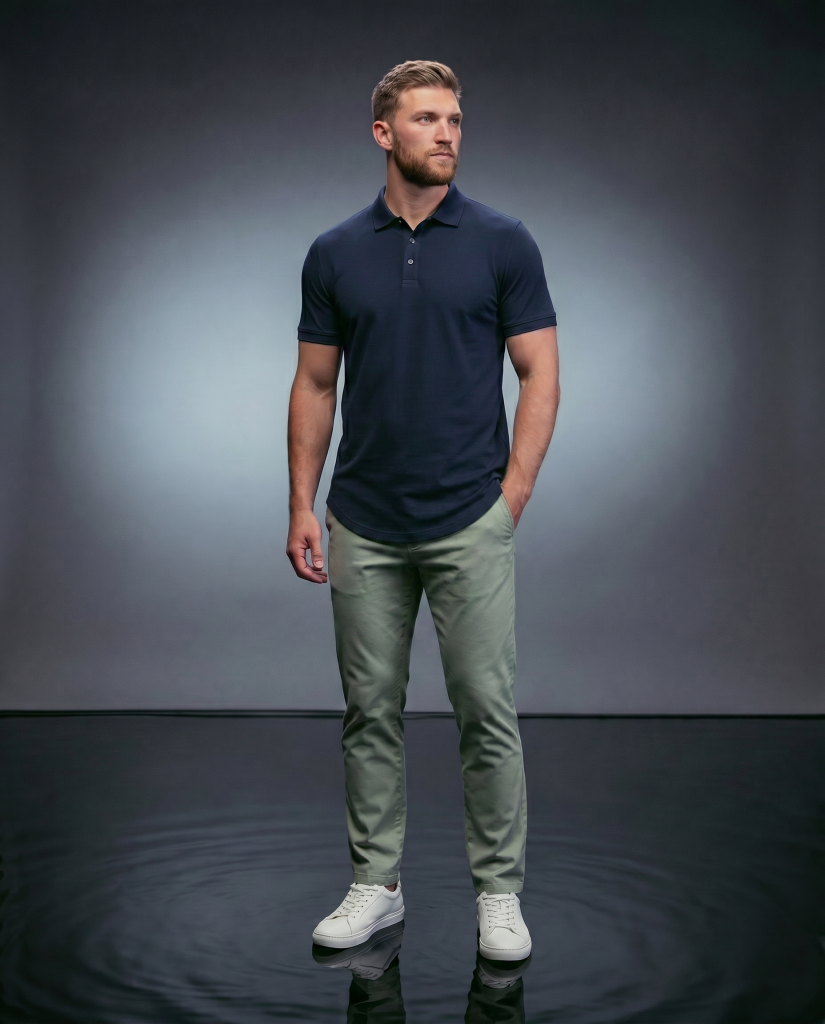
The front of your curved hem shirt should finish around the middle of your zipper.
This length creates a balanced appearance while remaining versatile enough for everyday wear.
If the front hem ends:
Too High
The shirt can appear too short when reaching or sitting.
Too Low
The shirt begins looking oversized rather than tailored.
Small differences in length can dramatically affect how the shirt looks.
How Long Should the Back Hem Be?
The back hem should extend slightly lower than the front.
However, the difference should be subtle.
A modern curved hem isn't designed to resemble an exaggerated drop-tail shirt.
Instead, it creates:
- smoother proportions
- improved coverage
- cleaner layering
The curve should look natural rather than immediately drawing attention.
This is one of the biggest differences between a premium curved hem tee and overly elongated streetwear-inspired shirts.
If you'd like to understand how different hem styles compare, our guide to The 8 Best Men's Shirts For Warm Weather.
explains the differences in detail.
Curved Hem vs Straight Hem Length
Many people assume curved hem shirts are simply longer versions of regular t-shirts.
That isn't quite accurate.
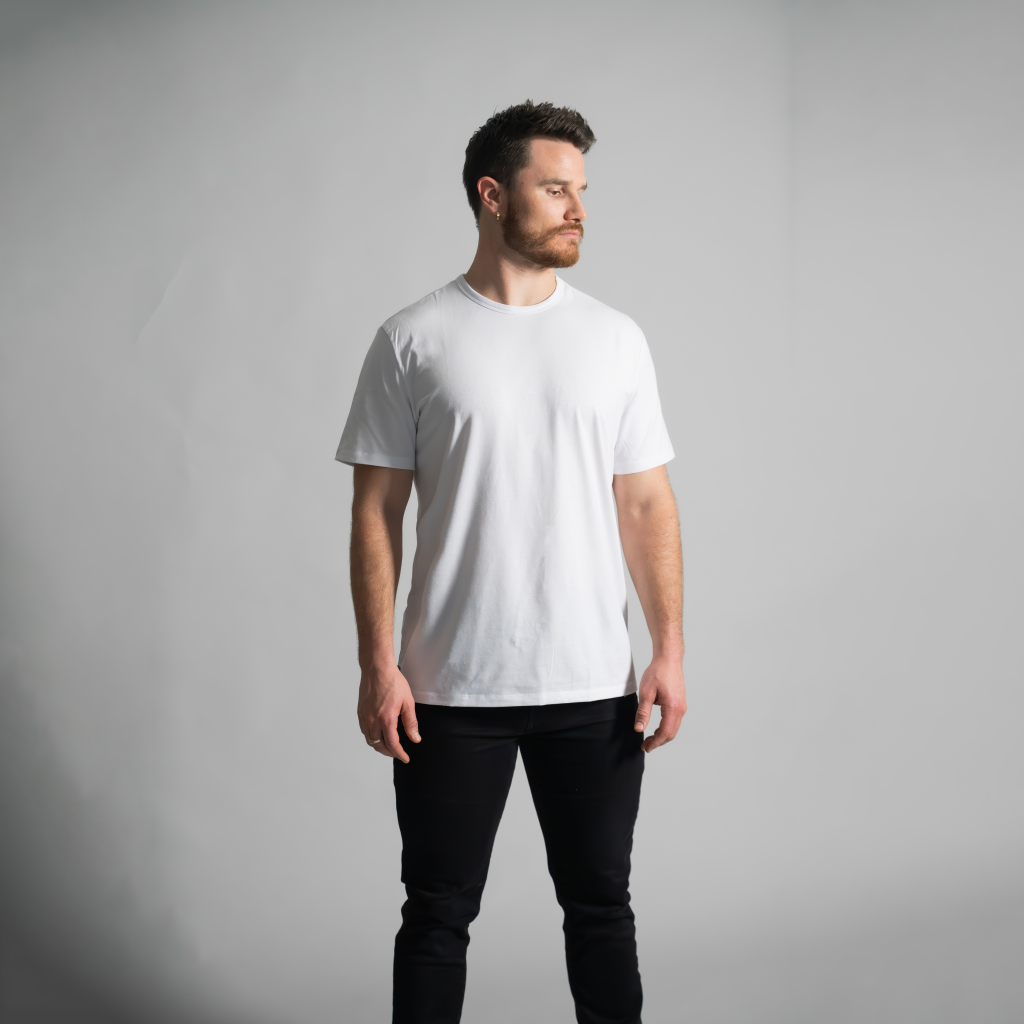
| Curved Hem | Straight Hem |
| Slightly longer front and back | Even hem all the way across |
| Better visual proportions | Traditional appearance |
| Improved coverage | Can ride up more easily |
| Ideal for layering | Works well untucked |
Neither style is objectively better.
The choice depends on your preferences and how you style your clothing.
Curved hem tees simply offer a more modern silhouette while maintaining versatility.
How Height Affects the Ideal Shirt Length
Not every man should wear exactly the same shirt length.
Your height naturally influences where a shirt should fall.
Men Under 5'8"
Avoid shirts that extend well below the zipper.
Excess length can make your legs appear shorter.
Men Between 5'8" and 6'0"
Most athletic-fit curved hem shirts are designed around this height range and should naturally fall near the middle of the zipper.
Men Over 6'0"
A slightly longer curved hem often improves overall balance while providing better coverage.
The goal is proportionality rather than following a specific measurement.
Body Type Matters Too
Height isn't the only factor.
Your build also influences how a shirt should fit.
Athletic Build
Look for shirts that taper slightly through the waist while leaving room across the shoulders and chest.
Broader Shoulders
A properly proportioned curved hem helps create balance without adding unnecessary width.
If you have a broader frame, our guide to Best Shirts for Broad Shoulders provides additional fit advice:
Dad Bod
Many men prefer curved hems because the extra length helps create a smoother silhouette without relying on oversized shirts.

Slim Build
A tailored curved hem can add visual structure while avoiding the boxy appearance of many traditional t-shirts.
Why Premium Construction Makes a Difference
Length alone doesn't determine whether a curved hem shirt looks good.
Construction matters just as much.
A well-made Mens Premium Tee combines thoughtful proportions with quality fabric and construction so the shirt hangs naturally instead of clinging or appearing oversized.
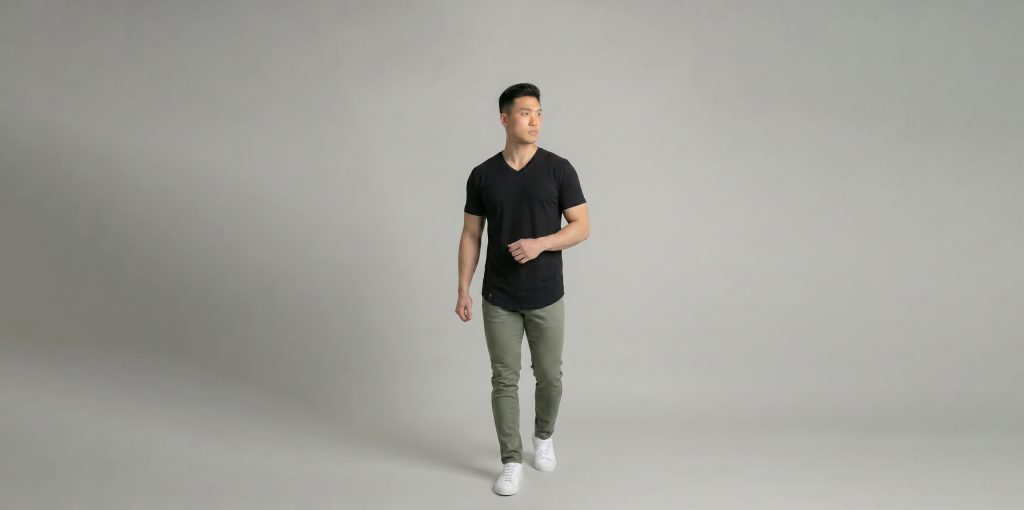
Other design elements—such as shoulder placement, sleeve length, and fabric drape—work together to create a balanced appearance.
That is why two shirts with the same listed length can look completely different once they're on your body.
Common Fit Mistakes to Avoid
The most common mistake isn't choosing a curved hem.
It's choosing the wrong size.
Avoid shirts that:
- extend far below your zipper
- bunch around the waist
- pull across the chest
- have sleeves that extend past your elbow
- have shoulder seams falling off your shoulders
A great-fitting curved hem shirt should look clean, intentional, and effortless—not oversized or overly tight.
For more guidance on choosing shirts that complement your build, you may also find these articles helpful:
- Shirts That Make You Look Slimmer
- Why Curved Hem T-Shirts Are the Best Fitting Men's Tees
- What Is a Henley Shirt?
Should You Size Up or Down in a Curved Hem Shirt?
One of the most common questions shoppers ask is whether they should size up or size down.
In most cases, the answer is simple:
Choose the size that fits your shoulders first.
The shoulder seam is the foundation of a well-fitting shirt. If the shoulders fit correctly, the rest of the shirt is much more likely to drape naturally.
Consider sizing up only if:
- you have a larger chest or shoulders
- you prefer a more relaxed fit
- the brand recommends it
Avoid sizing up simply because you're worried about the shirt being too short.
A properly designed curved hem already provides slightly more coverage than a traditional straight hem.
How a Curved Hem Shirt Should Look With Jeans
One reason curved hem shirts have become so popular is how naturally they pair with denim.
A properly fitting curved hem should:
- cover your waistband
- fall around the middle of the zipper
- create a clean vertical silhouette
- avoid bunching around the hips
This combination helps create a modern appearance without looking oversized.
Dark-wash jeans paired with a neutral curved hem tee remain one of the easiest outfits to wear almost anywhere.
Wearing Curved Hem Shirts With Chinos and Shorts
Curved hem tees aren't limited to denim.
They're equally effective with:
- khaki chinos
- olive chinos
- navy shorts
- tailored shorts
- lightweight travel pants
Because the curved hem softens the bottom edge of the shirt, it often creates a cleaner transition into fitted pants than a traditional straight hem.
For many men, this results in a more polished casual outfit without requiring additional effort.
Should You Tuck In a Curved Hem Shirt?
Generally, no.
Most curved hem shirts are designed to be worn untucked.
The curved shape naturally creates a finished appearance while providing enough length to stay in place throughout the day.
If an occasion calls for a tucked-in shirt, a dress shirt or polo is usually the better choice.
For business casual settings where you want a more elevated appearance without tucking in a shirt, a Stratus Polo offers a versatile alternative that works well with chinos, golf pants, and tailored shorts.
Why Fabric Weight Changes the Way a Shirt Fits
Length isn't the only factor influencing appearance.
Fabric weight and drape also play an important role.
Heavier fabrics tend to:
- hold their structure
- wrinkle less
- create cleaner lines
Lighter fabrics often:
- drape closer to the body
- feel cooler in warm weather
- layer more easily
The best premium basics balance softness with enough structure to maintain their shape throughout the day.
This is one reason two shirts with identical measurements can look very different once they're worn.
Building a Wardrobe Around Well-Fitting Basics
Many men eventually discover that improving their wardrobe isn't about buying more clothing.
It's about buying clothing that fits consistently.
A versatile wardrobe often includes:
- a premium curved hem tee
- a black or navy polo
- a Henley
- a lightweight long sleeve
- well-fitting jeans
- neutral chinos
For example, a Curved Hem Tee works naturally with jeans, shorts, and chinos, making it one of the easiest pieces to wear throughout the week.
Adding a Short Sleeve Henley provides another elevated casual option, while the Long Sleeve Collection extends that versatility into cooler weather.
Rather than filling your closet with dozens of shirts, focus on a smaller collection of well-fitting basics that can be mixed and matched across multiple occasions.

What Style Experts Say About Shirt Fit
While trends come and go, one principle remains consistent: fit is more important than brand names or logos.
Style publications such as GQ and FashionBeans frequently recommend investing in clothing that fits your body well before chasing seasonal trends. Both emphasize that proper proportions—especially shirt length, shoulder fit, and sleeve length—have a much greater impact on appearance than bold graphics or designer labels.
These resources provide additional guidance on building a timeless wardrobe around versatile, well-fitting essentials.
Frequently Asked Questions
How long should a curved hem shirt be?
A curved hem shirt should generally fall around the middle of your zipper in the front, with the back extending slightly lower. The curve should look subtle and proportional rather than dramatically elongated.
Should a curved hem shirt cover your zipper?
Yes. A properly fitting curved hem shirt should comfortably cover your waistband and reach approximately the middle of your zipper without extending excessively below it.
Are curved hem shirts supposed to be longer?
Yes, but only slightly. The additional length improves coverage and creates a cleaner silhouette without looking oversized.
Can shorter men wear curved hem shirts?
Absolutely. The key is choosing a shirt with balanced proportions. Extremely long hems can make shorter men appear even shorter, while a properly designed curved hem creates a more streamlined look.
Should you tuck in a curved hem shirt?
Most curved hem shirts are designed to be worn untucked. The curved bottom creates a finished appearance that works well with jeans, chinos, and shorts.
Are curved hem shirts still in style?
Yes. Curved hem shirts remain popular because they offer a modern yet timeless silhouette. They continue to be a staple among premium basics brands thanks to their versatility and flattering fit.
Final Thoughts
The ideal curved hem shirt isn't defined by an exact measurement, it's defined by proportion.
When the front hem falls around the middle of your zipper, the back provides slightly more coverage, and the shoulders and sleeves fit correctly, a curved hem tee creates a cleaner, more balanced silhouette than many traditional straight-hem shirts.
Rather than focusing solely on length, evaluate the complete fit: shoulder placement, sleeve length, fabric drape, and overall proportions all work together to determine how the shirt looks on your body.
A well-designed curved hem should never feel like a trend. It should simply become one of the most versatile and comfortable shirts in your wardrobe—equally at home with jeans, chinos, shorts, or layered beneath a jacket. That's why many men who try a properly fitting curved hem tee find themselves reaching for it again and again.

Best T-Shirts for Men Who Want a More Tapered Waist

What to Wear to Fit In With Los Angeles, California Leisure Style