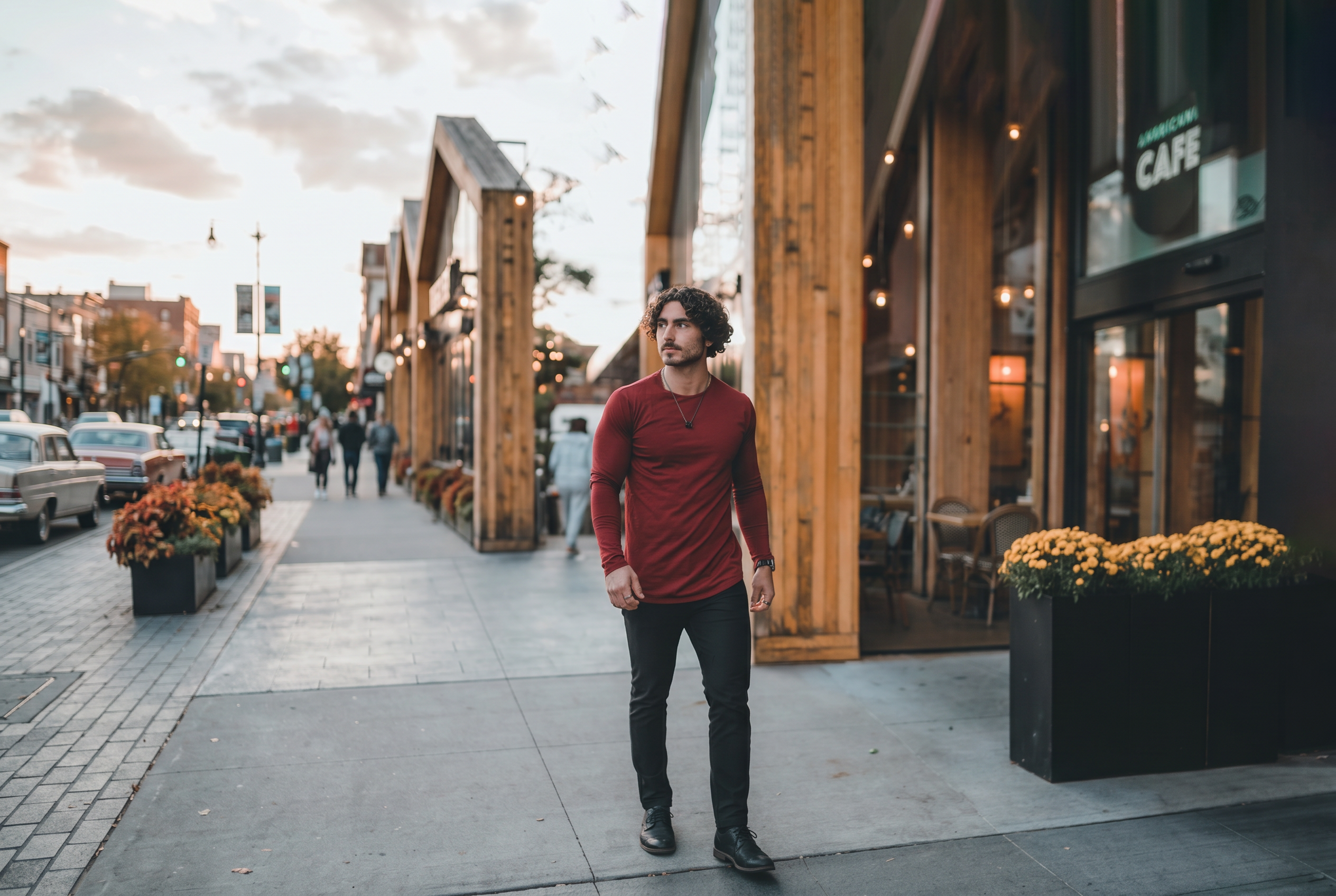
When Is It Worth Spending More on a T-Shirt? A Buyer’s Guide to Quality, Value & Cost Per Wear
When Is It Worth Spending More on a T-Shirt?
At first glance, spending $50 on a t-shirt can seem excessive.
After all, you can walk into almost any retailer and buy a basic tee for less than half that price. If both shirts cover your shoulders and come in the same color, why spend more?
It's a question many shoppers ask when they first begin exploring premium basics.
The answer isn't simply that expensive shirts are "better." In fact, there are plenty of overpriced t-shirts on the market that offer little improvement over lower-priced alternatives.
The real question is different:
When does paying more actually deliver better value?
That's where understanding quality, construction, versatility, and cost per wear becomes far more important than looking at the price tag alone.
Whether you're considering your first premium t-shirt or wondering if upgrading your wardrobe is worthwhile, this guide will help you decide when spending more makes sense—and when it doesn't.
Premium Doesn't Always Mean Luxury
One of the biggest misconceptions in men's fashion is that "premium" automatically means designer pricing.
In reality, there is a significant difference between paying for quality and paying for a luxury label.
Many premium basics brands focus on improving:
- fit
- fabric
- durability
- comfort
- versatility
without dramatically increasing prices.
Instead of adding flashy logos or trend-driven designs, these companies invest in better construction and materials.
That's why many men find premium basics easier to justify than luxury fashion.
They're paying for improvements they'll actually notice every time they wear the shirt.
The Cheapest Shirt Isn't Always the Least Expensive
Imagine buying a $20 t-shirt.
It fits reasonably well at first.
After several washes, however, the collar begins stretching, the fabric feels rougher, and the shirt slowly loses its shape.
Within a year, you replace it.
Now imagine purchasing a $44 premium t-shirt.
The stitching remains intact.
The collar holds its shape.
The fabric continues feeling soft after repeated washes.
Three years later, you're still reaching for it every week.
Which shirt actually cost less?
This is why experienced shoppers increasingly evaluate clothing through cost per wear rather than purchase price.
Understanding Cost Per Wear
Cost per wear is one of the simplest ways to measure clothing value.
Instead of asking:
"How much does this shirt cost?"
Ask:
"How many times will I realistically wear this shirt?"
| Shirt | Purchase Price | Estimated Wears | Cost Per Wear |
|---|---|---|---|
| Budget T-Shirt | $20 | 20 | $1.00 |
| Premium T-Shirt | $44 | 100 | $0.44 |
| Premium Polo | $72 | 150 | $0.48 |
The numbers tell an interesting story.
Although the premium shirt costs more initially, every wear actually costs less over time.
That doesn't automatically mean every expensive shirt is worth buying.
It simply means the purchase price is only part of the equation.
Signs You're Ready to Upgrade
Not everyone needs premium basics.
If you wear t-shirts only occasionally, inexpensive shirts may continue serving you well.
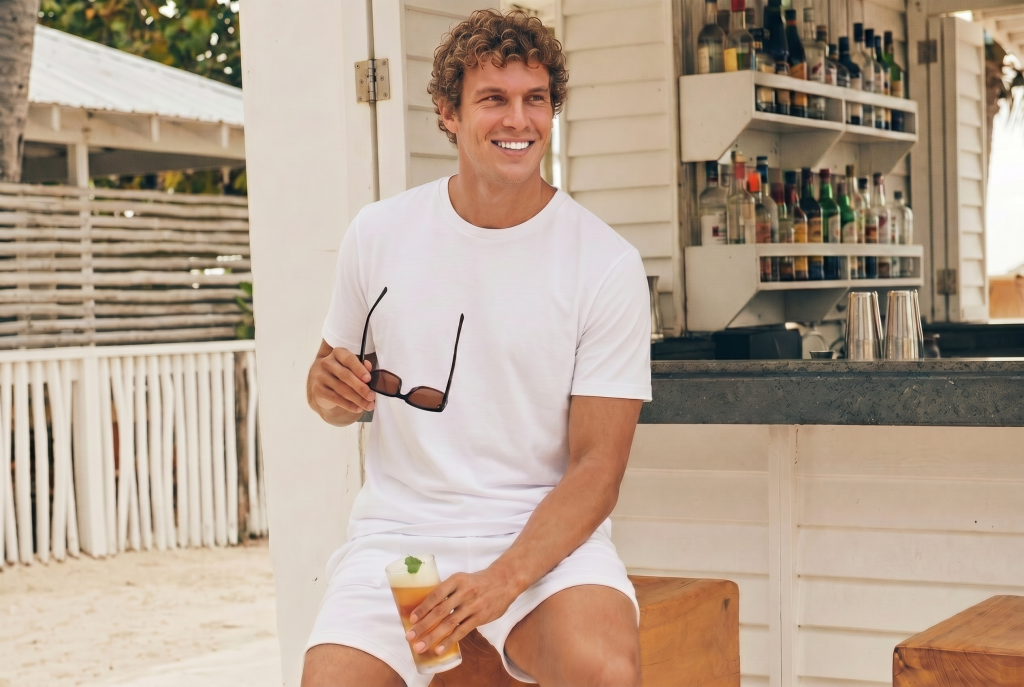
However, there are several signs that upgrading could make sense.
You Wear T-Shirts Most Days
If t-shirts form the foundation of your wardrobe, you'll notice improvements in comfort and durability much more quickly.
You Replace Shirts Frequently
Constantly replacing stretched collars or faded fabrics becomes expensive over time.
You're Paying More Attention to Fit
As your style evolves, fit usually becomes more important than brand names.
You Want Fewer, Better Pieces
Many men eventually move toward capsule wardrobes built around versatile clothing rather than large collections of inexpensive basics.
What You're Actually Paying For
A premium t-shirt isn't simply "more expensive."
Ideally, you're paying for several meaningful improvements.
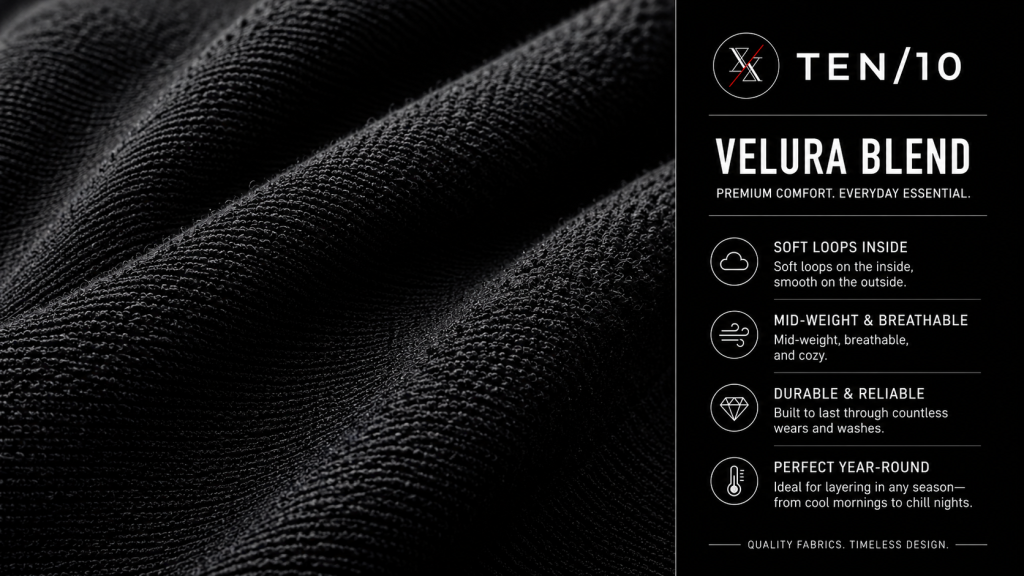
Better Fabric
Premium fabrics generally:
- resist pilling longer
- maintain softness
- recover after washing
- drape more naturally
These differences often become more noticeable after months of wear than during your first fitting.
Better Construction
Construction includes details such as:
- reinforced stitching
- stronger collars
- cleaner seams
- improved finishing
While these features aren't always obvious immediately, they contribute significantly to long-term durability.
Better Fit
Fit is often the biggest difference shoppers notice.
Instead of creating a boxy silhouette, premium basics frequently use more thoughtful proportions that flatter a wider range of body types.
Why Fit Can Completely Change Your Appearance
You don't need an expensive wardrobe to look well dressed.
You need clothing that fits correctly.
Even a simple t-shirt can look dramatically different depending on:
- shoulder width
- sleeve length
- body taper
- overall length
- hem design
For example, a Curved Hem Tee uses a subtle curved hem to create cleaner proportions than a traditional straight-cut t-shirt.
Rather than drawing attention to itself, the design simply helps the shirt drape more naturally.
If you're curious how different hems affect fit, our guide to Drop Cut vs Curved Hem: What's the Difference and Which One Looks Better?
explains why hem shape can influence your overall silhouette.
The Hidden Cost of Cheap Clothing
Low prices often come with trade-offs that aren't obvious until later.
These may include:
- shrinking after washing
- twisted seams
- stretched collars
- fading colors
- inconsistent sizing
- thinner fabrics
None of these problems appear on the price tag.
Yet they directly influence how long you'll continue wearing the shirt.
This doesn't mean inexpensive clothing is always poor quality.
It simply means durability should become part of your purchasing decision.
Versatility Creates More Value
Another factor many shoppers overlook is versatility.
The more situations a shirt works for, the more valuable it becomes.
A premium t-shirt that looks equally appropriate with:
- jeans
- chinos
- shorts
- lightweight jackets
- casual sneakers
will naturally see more wear than a shirt reserved for one specific activity.
Likewise, having one versatile Stratus Polo that works for business casual offices, golf outings, dinner, and travel often provides greater value than owning several occasion-specific shirts.
Instead of buying clothing for individual events, many men now build wardrobes around interchangeable staples that work almost everywhere.
Quality Is About Consistency
One characteristic that often separates premium basics from entry-level options is consistency.
Customers expect:
- the same fit every time
- reliable sizing
- dependable construction
- fabrics that perform similarly across multiple purchases
Consistency builds trust.
When you find a shirt that fits perfectly, you want confidence that ordering another color six months later will deliver the same experience.
That reliability becomes increasingly valuable as you simplify your wardrobe.
When Spending More Doesn't Make Sense
While premium t-shirts offer real advantages, they're not always the right purchase.
In some situations, a less expensive shirt is perfectly reasonable.
For example, you may not need premium basics if:
- You only wear t-shirts occasionally.
- You need work shirts that are likely to get stained or damaged.
- You're experimenting with different styles before investing in higher-quality clothing.
- Your budget is currently the highest priority.
There's nothing wrong with buying affordable basics when they match your needs.
The goal isn't to convince everyone to spend more—it's to spend wisely.
Premium clothing makes the most sense when you'll actually benefit from the improvements.
The Best Investment Pieces Are the Ones You Wear Most
Think about your favorite shirt.
Chances are, it isn't your most expensive item.
It's the one you reach for over and over again.
That shirt probably offers a combination of:
- comfort
- reliable fit
- versatility
- confidence
Those qualities are often more important than the logo on the tag.
If you wear t-shirts four or five days each week, upgrading just one or two of your favorites can have a much bigger impact than buying five inexpensive shirts you'll rarely choose.
Building a Wardrobe Around Value Instead of Volume
For years, many men built wardrobes by accumulating more clothing.
Today, the trend is shifting toward owning fewer, better pieces.
A simple wardrobe might include:
- two or three premium t-shirts
- one or two versatile polos
- a quality Henley
- a lightweight long-sleeve shirt
- one dependable jacket
Because every piece works together, getting dressed becomes easier and every purchase provides more value.
For example, a Short Sleeve Henley offers a slightly more elevated alternative to a crew-neck tee while remaining casual enough for everyday wear.
Likewise, pieces from the Long Sleeve Collection can extend the versatility of your wardrobe into cooler months without requiring an entirely separate style.
Rather than filling your closet with options, focus on buying pieces you'll consistently enjoy wearing.
How to Tell If a T-Shirt Is Actually High Quality
Not every expensive shirt deserves its price.
Instead of judging by brand alone, evaluate the shirt itself.
Here are a few things to look for.
Fabric Feel
A quality shirt should feel substantial without being stiff.
Softness is important, but so is recovery—the fabric should return to its shape after being stretched.
Collar Construction
A collar that stays flat after repeated washes is often a sign of better construction.
Loose or wavy collars can make even a new shirt look worn.
Stitching
Inspect the seams around the shoulders, sleeves, and hem.
Even, consistent stitching generally reflects better manufacturing.
Fit Consistency
If you buy the same shirt in another color, it should fit the same way.
Reliable sizing is one of the biggest advantages of established premium basics brands.
Premium Basics Are About Confidence, Not Status
One misconception is that premium clothing is about showing off.
For most men, it's the opposite.
Premium basics usually have:
- minimal branding
- timeless colors
- simple silhouettes
- versatile styling
The goal isn't to attract attention.
It's to feel confident knowing your clothes fit well and perform consistently.
That confidence often comes from small details rather than flashy designs.
Investing in Clothing That Works Harder
The best purchases aren't always the cheapest.
They're the ones that solve multiple problems.
A quality t-shirt that works for:
- weekend errands
- travel
- casual dinners
- coffee meetings
- layering under jackets
provides far more value than a shirt reserved for one occasion.
The same idea applies to polos.
A versatile Well Made Polo can move seamlessly from a business casual office to a golf course and then to dinner afterward.
When clothing performs across multiple settings, every dollar spent goes further.
Common Mistakes When Buying T-Shirts
Many shoppers unknowingly focus on the wrong criteria.
Here are a few mistakes to avoid.
Buying Only Based on Price
The cheapest option isn't always the best value.
Ignoring Fit
Even premium fabrics won't compensate for a poor fit.
Chasing Trends
Timeless basics often outlast seasonal fashion trends.
Overlooking Versatility
Before buying, ask yourself:
"Can I wear this with most of what's already in my closet?"
If the answer is yes, it's more likely to become one of your favorite pieces.
Why Quality Basics Are Becoming a Smarter Investment
The way many men shop for clothing has changed over the past decade. Instead of buying larger wardrobes filled with inexpensive items, more people are investing in fewer, higher-quality basics that offer better fit, durability, and versatility.
This shift toward a "buy better, buy less" mindset has been highlighted by several respected men's style publications. GQ frequently recommends building a wardrobe around timeless essentials rather than chasing short-lived fashion trends, while FashionBeans emphasizes choosing well-made basics that can be worn across multiple occasions instead of buying pieces with limited versatility.
Ultimately, spending more on a t-shirt isn't about buying the most expensive option available. It's about identifying pieces that maintain their fit, feel, and appearance over time while working with the rest of your wardrobe. When a shirt consistently becomes one of your most-worn items, its long-term value often outweighs the higher upfront cost.
Why More Men Are Choosing Premium Basics
The rise of premium basics reflects a broader shift in how men approach clothing.
Rather than constantly replacing worn-out shirts, many shoppers prefer investing in apparel that lasts longer and looks better over time.
Brands focusing on quality construction, thoughtful fits, and versatile styling have become increasingly popular because they align with this mindset.
If you're comparing different premium basics brands, you may also find these guides helpful:
- Shirts Like BYLT But Cheaper: 7 Affordable Alternatives Worth Considering
- Best True Classic Tees Alternatives: Better Quality Shirts That Still Offer Great Value
- Best Shirts for Broad Shoulders
- Why Curved Hem Tees Fit Better Than Regular Tees
These articles can help you compare fits, fabrics, and styles before making your next purchase.
Frequently Asked Questions
Are expensive t-shirts really worth it?
They can be, especially if you wear them frequently. Better fabrics, improved construction, and longer-lasting fit often reduce the overall cost per wear.
What is cost per wear?
Cost per wear is the purchase price divided by the number of times you wear an item. It's one of the best ways to measure clothing value.
How much should a good t-shirt cost?
A well-made everyday t-shirt often falls between $35 and $60, though value depends on the fabric, construction, fit, and durability—not just the price.
What makes a premium t-shirt different?
Premium t-shirts typically offer better materials, stronger stitching, improved shape retention, and a more refined fit than entry-level basics.
Is it better to own fewer, higher-quality shirts?
For many people, yes. A smaller wardrobe of versatile, durable clothing is often easier to manage and provides better long-term value than a closet full of rarely worn pieces.
How can I make my t-shirts last longer?
Wash in cold water, avoid excessive dryer heat, follow the care instructions, and rotate your shirts regularly to reduce wear.
Final Thoughts
Spending more on a t-shirt isn't about chasing luxury or buying the most expensive brand available.
It's about recognizing when a higher-quality garment delivers meaningful benefits through better fit, improved comfort, longer-lasting construction, and greater versatility.
If a t-shirt becomes one of the most frequently worn items in your wardrobe, investing a little more can often reduce your cost per wear while improving your everyday experience.
Ultimately, the best t-shirt isn't defined by its price tag—it's the one you reach for week after week because it fits well, feels great, and continues looking its best long after the first wash.

Best T-Shirts for Men Who Want a More Tapered Waist
What to Wear to Fit In With Los Angeles, California Leisure Style