
How to Easily Start an Online Clothing Company in 2026: A Step-by-Step Guide
How to Easily Start an Online Clothing Company in 2026
Starting an online clothing company has never been more accessible.
Just a decade ago, launching a clothing brand often required signing large manufacturing contracts, carrying significant inventory, and investing tens of thousands of dollars before making your first sale.
Today, entrepreneurs have access to powerful ecommerce platforms, global manufacturers, affordable marketing tools, and social media channels that make launching a clothing business much easier.
That doesn't mean success happens overnight.
Building a profitable clothing company still requires thoughtful planning, quality products, and a long-term strategy. But if you're willing to put in the work, 2026 is still an excellent time to start an apparel brand.
This guide walks through the essential steps to help you launch your online clothing company with confidence.
Starting a Clothing Brand at a Glance
| Step | Why It Matters |
|---|---|
| Choose a niche | Stand out from competitors |
| Develop your brand | Build trust and recognition |
| Source quality products | Create repeat customers |
| Build your website | Establish your online storefront |
| Create professional content | Showcase your products |
| Launch marketing channels | Drive traffic and sales |
| Focus on customer service | Encourage repeat business |
Step 1: Find a Specific Niche
One of the biggest mistakes new clothing brands make is trying to sell everything to everyone.
Instead, identify a specific audience.
Examples include:
- premium men's basics
- golf apparel
- athletic wear
- streetwear
- outdoor clothing
- luxury basics
- business casual apparel
The more clearly you define your target customer, the easier it becomes to create products, write marketing copy, and build brand loyalty.
Ask yourself:
- Who am I designing for?
- What problem am I solving?
- Why would someone choose my brand over an established competitor?

Step 2: Create a Brand People Remember
Your brand is much more than a logo.
Successful apparel companies create a recognizable identity through:
- consistent colors
- professional photography
- clear messaging
- quality packaging
- memorable customer experiences

Customers often connect with brands because of the story and lifestyle they represent, not just the clothing itself.
Develop a mission that guides your decisions and helps customers understand what your company stands for.
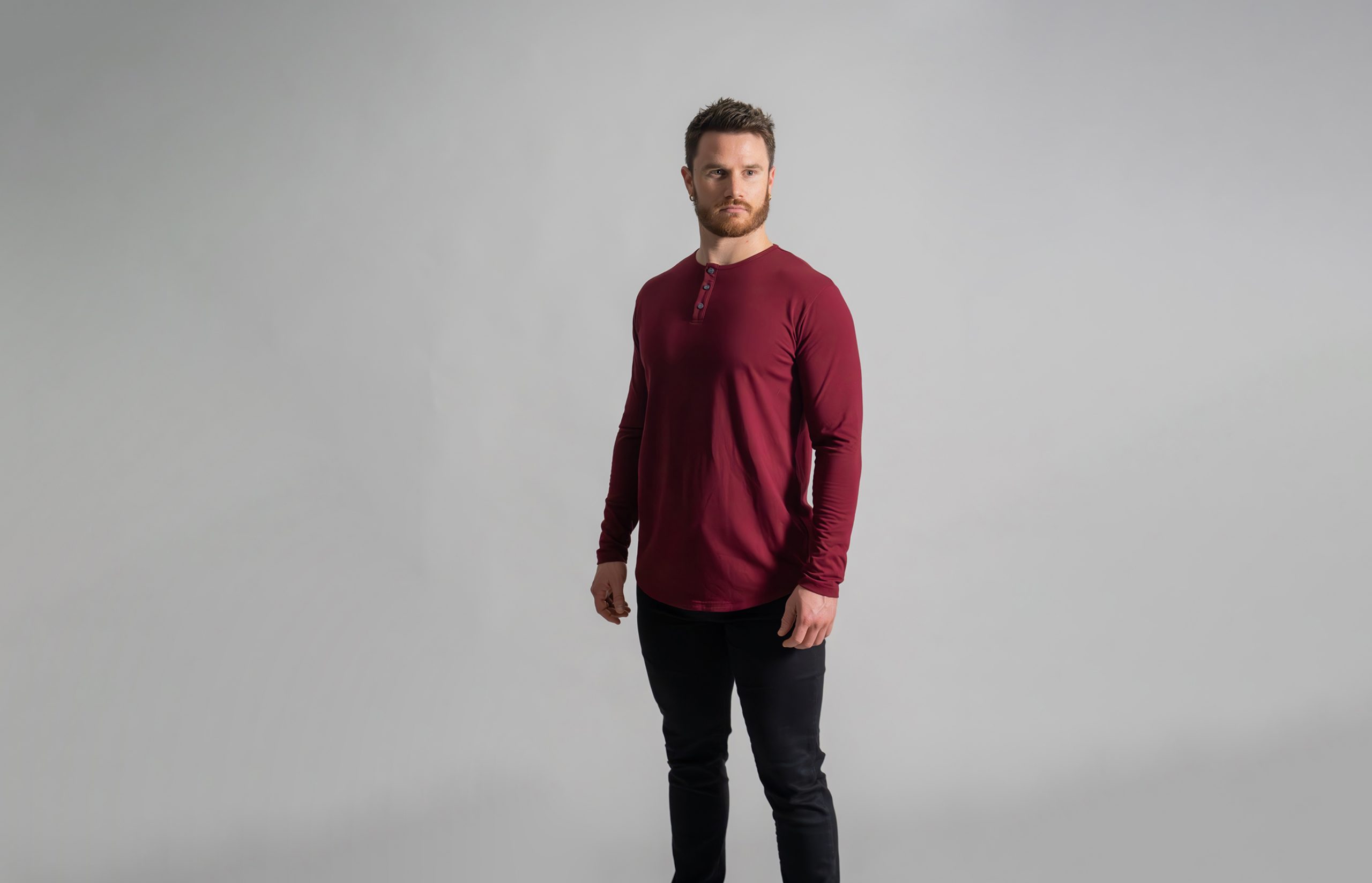
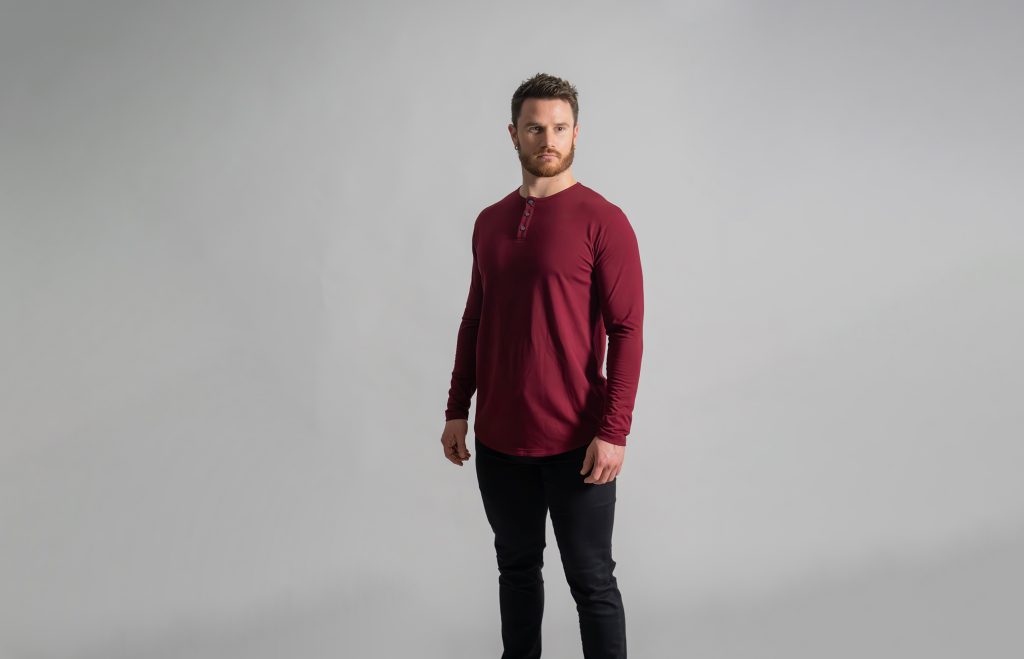
At Ten/10 Apparel, we build clothing essentials for the ambitious. We stay consistent with minimalist lifestyle clothing, utilize high end photography / videography to help scale our business to a multi-million dollar brand.
Step 3: Invest in Quality Products
Marketing can generate a first purchase.
Product quality earns the second purchase.
Whether you're manufacturing custom apparel or working with existing suppliers, prioritize:
- fabric quality
- fit
- durability
- consistent sizing
- attention to detail
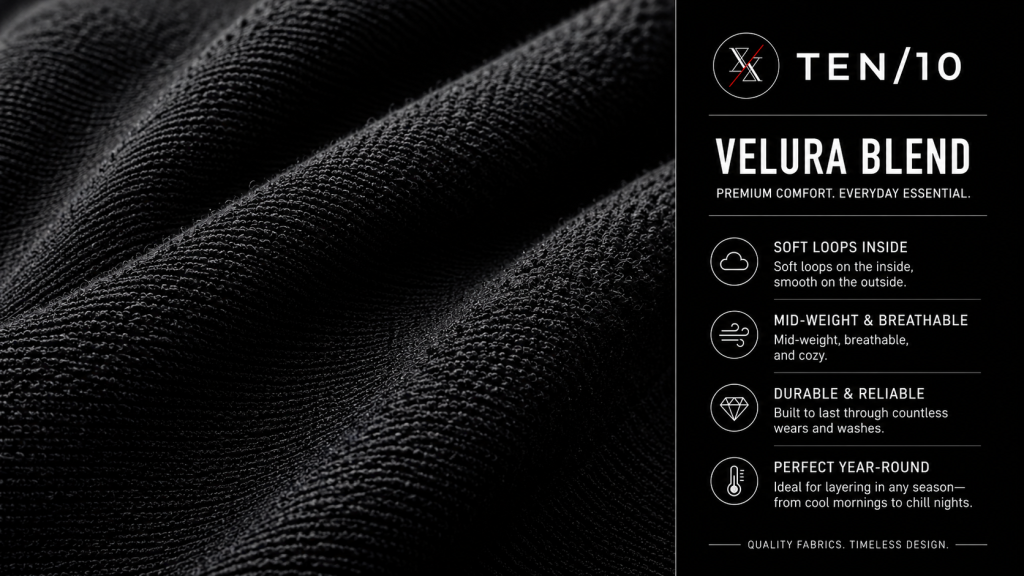
A customer who loves your first product is far more likely to recommend your brand and return for future purchases. Checkout out our base first product the Curved Hem Tee and explore the product page to see how recommendations, upsells, and layout come into place.
Step 4: Build a Professional Website
Your website is your storefront.
In most cases, it's the first impression customers have of your business.
A successful clothing website should include:
- fast loading pages
- professional product photography
- clear product descriptions
- simple navigation
- secure checkout
- mobile-friendly design
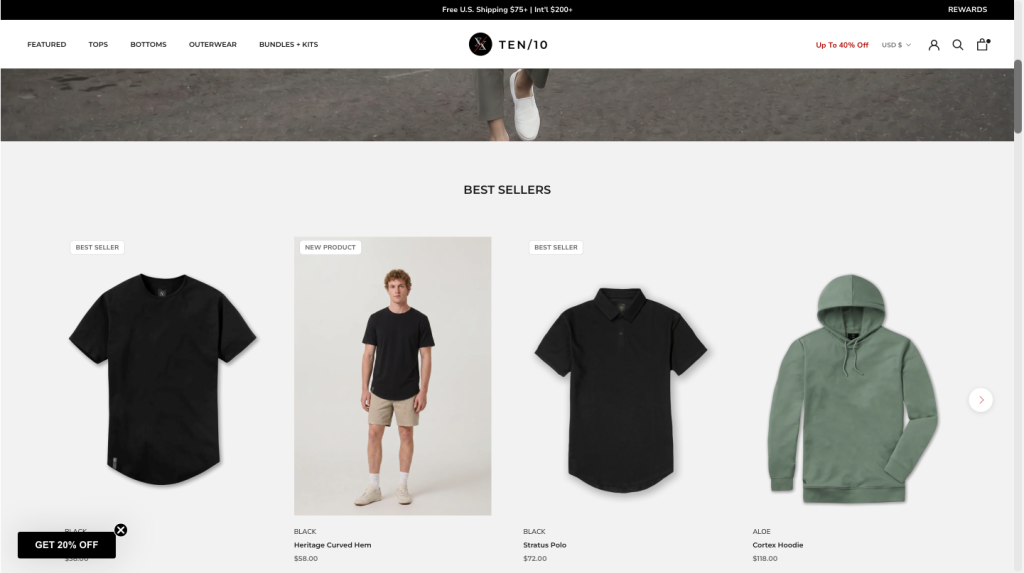
Platforms like Shopify make it possible to launch a professional e-commerce website without extensive technical experience.
Checkout Ten/10 Apparel as a reference on how to start structuring your website
Step 5: Create High-Quality Product Photography
Photos often determine whether someone clicks "Add to Cart."
Invest in:
- lifestyle photography
- studio product images
- close-up fabric shots
- sizing images
- videos
Showing clothing on real people helps customers better understand fit and proportions.
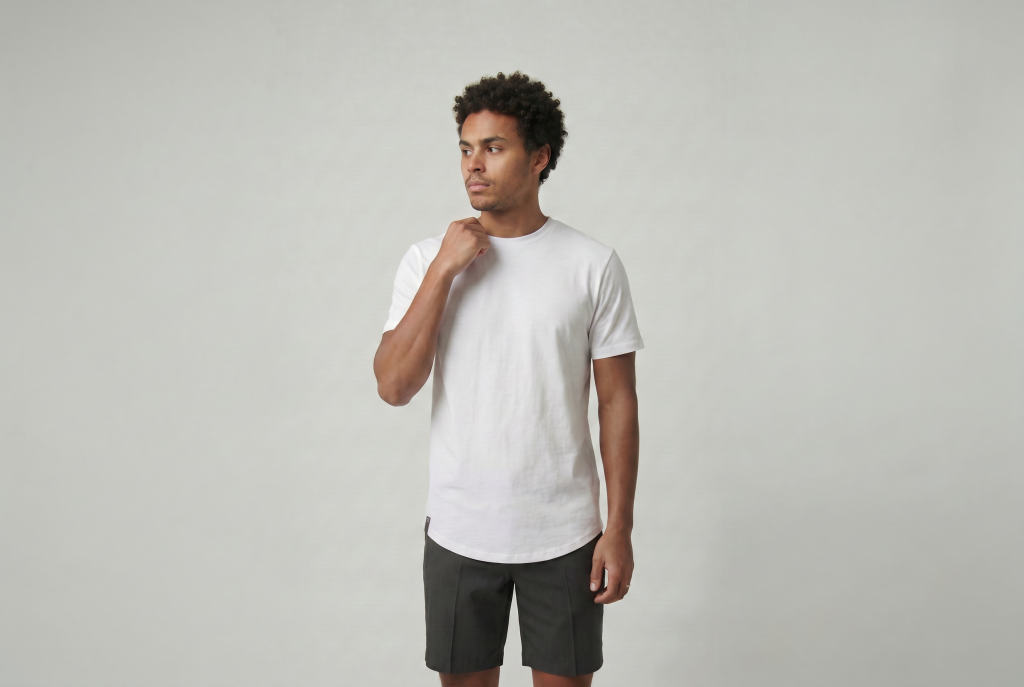
The more confidence shoppers have, the more likely they are to complete a purchase.
Step 6: Don't Rely Only on Paid Advertising
Many new clothing companies assume success comes from running Facebook or Google Ads.
While paid advertising can accelerate growth, relying on it exclusively often becomes expensive.
Instead, build multiple traffic sources:
- SEO
- email marketing
- SMS marketing
- TikTok
- YouTube
Diversifying your traffic reduces dependence on any single platform.
Step 7: Start Creating Helpful Content
One of the most overlooked growth strategies is publishing helpful educational content.
Instead of writing only about your products, answer questions your customers are already searching for.
Examples include:
- How should a polo shirt fit?
- What makes a premium t-shirt?
- Business casual outfit ideas
- How to build a capsule wardrobe
- Best fabrics for summer
Educational articles help establish trust while attracting organic traffic from search engines.
Over time, a well-maintained blog can become one of your most valuable marketing assets.
Step 8: Build an Email List From Day One
One mistake many entrepreneurs regret is waiting too long to collect email addresses.
Every website visitor who leaves without subscribing is a missed opportunity.
Offer visitors something valuable in exchange for their email, such as:
- a style guide
- exclusive discounts
- early product launches
- wardrobe tips
Email remains one of the highest-return marketing channels for ecommerce businesses because it allows you to communicate directly with interested customers.
Step 9: Focus on Repeat Customers
Acquiring a new customer is often much more expensive than retaining an existing one.
Encourage repeat purchases by offering:
- loyalty programs
- referral rewards
- excellent customer support
- fast shipping
- consistent product quality
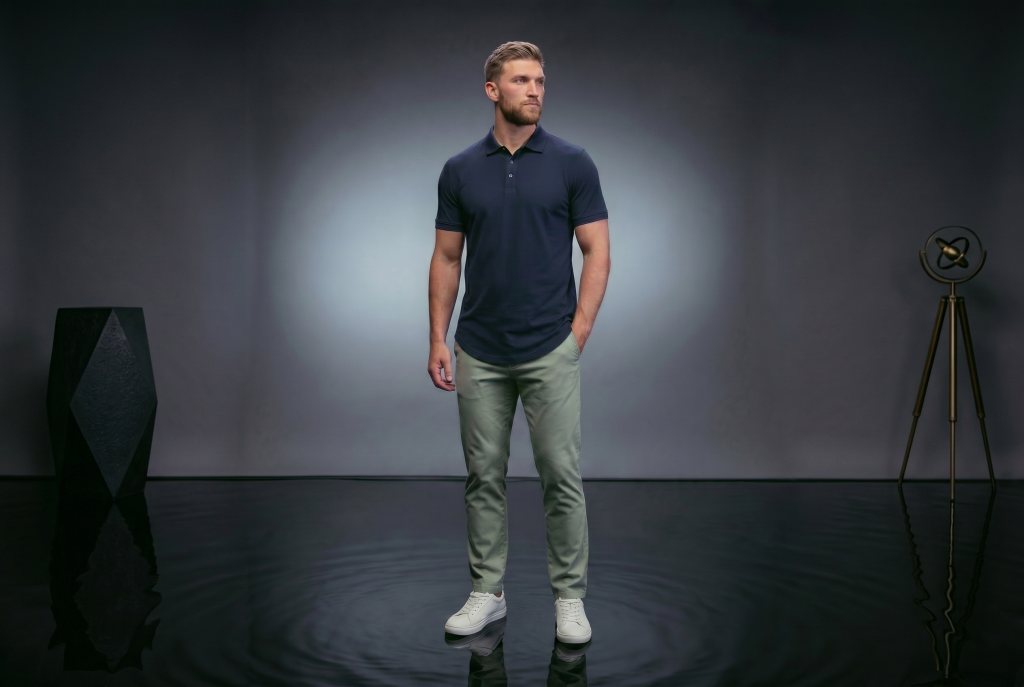
A loyal customer base provides more stable growth than relying entirely on new customer acquisition.
Step 10: Think Long Term
Many successful clothing companies weren't profitable overnight.
Building a recognizable brand takes time.
Instead of chasing every trend, focus on improving your business each month.
Track metrics such as:
- conversion rate
- average order value
- repeat purchase rate
- customer acquisition cost
- organic traffic
- email list growth
Small improvements across multiple areas often produce significant long-term results.
Common Mistakes New Clothing Brands Make
Avoid these common pitfalls:
- launching too many products
- ignoring customer feedback
- relying only on paid ads
- inconsistent branding
- poor product photography
- neglecting SEO
- expecting overnight success
The strongest brands typically grow by making steady improvements rather than chasing quick wins.
Helpful Resources for New Clothing Entrepreneurs
Learning from experienced professionals can shorten your learning curve.
These resources provide valuable information on ecommerce and apparel businesses:
These publications regularly share insights on ecommerce strategy, branding, customer acquisition, and business growth.
Related Articles
You may also enjoy:
- When Is It Worth Spending More on a T-Shirt?
- Heritage Vs Velura. Which Premium Fabric Is Right For You?
- Which Color Polo Shirt Should You Make?
Frequently Asked Questions
How much money do you need to start an online clothing company?
The amount varies depending on your business model. Some entrepreneurs launch with a few thousand dollars using small production runs, while others invest significantly more in inventory, branding, and marketing.
Is Shopify good for clothing brands?
Yes. Shopify is one of the most popular ecommerce platforms for apparel businesses thanks to its ease of use, app ecosystem, and scalability.
Should I manufacture my own clothing?
That depends on your goals. Custom manufacturing provides greater control over quality and branding, while private labeling or print-on-demand can reduce upfront investment.
How do clothing brands get customers?
Successful brands often combine SEO, email marketing, paid advertising, social media, influencer partnerships, and customer referrals to build a steady stream of traffic.
Is it too late to start a clothing brand in 2026?
No. While competition has increased, there is still room for brands that offer quality products, a clear identity, and a unique value proposition.
Final Thoughts
Starting an online clothing company in 2026 is easier than ever from a technical standpoint—but building a successful brand still requires patience, consistency, and a commitment to delivering value.
Rather than trying to compete with every apparel company on the internet, focus on serving a specific audience exceptionally well. Invest in quality products, create a professional online presence, publish helpful content, and build meaningful relationships with your customers.
The brands that succeed over the long term aren't necessarily the ones with the biggest launch—they're the ones that continue improving their products, listening to their customers, and showing up consistently year after year.