Are Slim Fit Polos Still in Style?
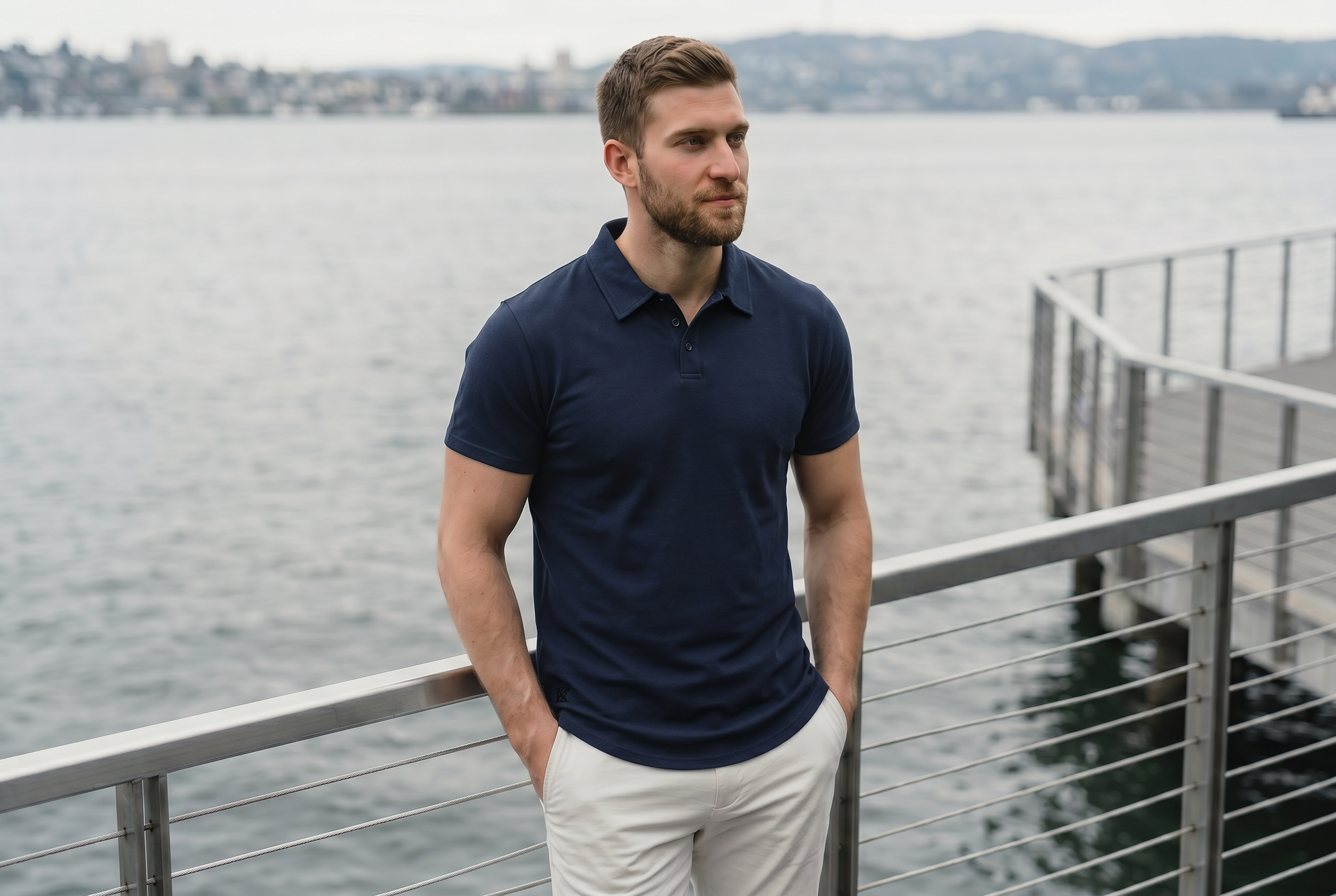
Yes, slim fit polos are still in style, but the ultra-tight polo look isn't as necessary to achieve a modern silhouette. Today's better-fitting polos tend to leave enough room through the chest and shoulders while keeping the waist and sleeves relatively clean. For men with broader or more athletic builds, an athletic fit can often achieve that look more comfortably than a traditional slim fit.
I've worn enough polos over the years to realize that "slim fit" can mean completely different things depending on the brand.
I've tried slim polos that looked great standing still but felt like compression shirts the second I moved my arms.
I've also tried "regular fit" polos where I had enough extra material around my waist to fit another person inside the shirt.
Neither is what I want.
What I've started looking for instead is pretty simple:
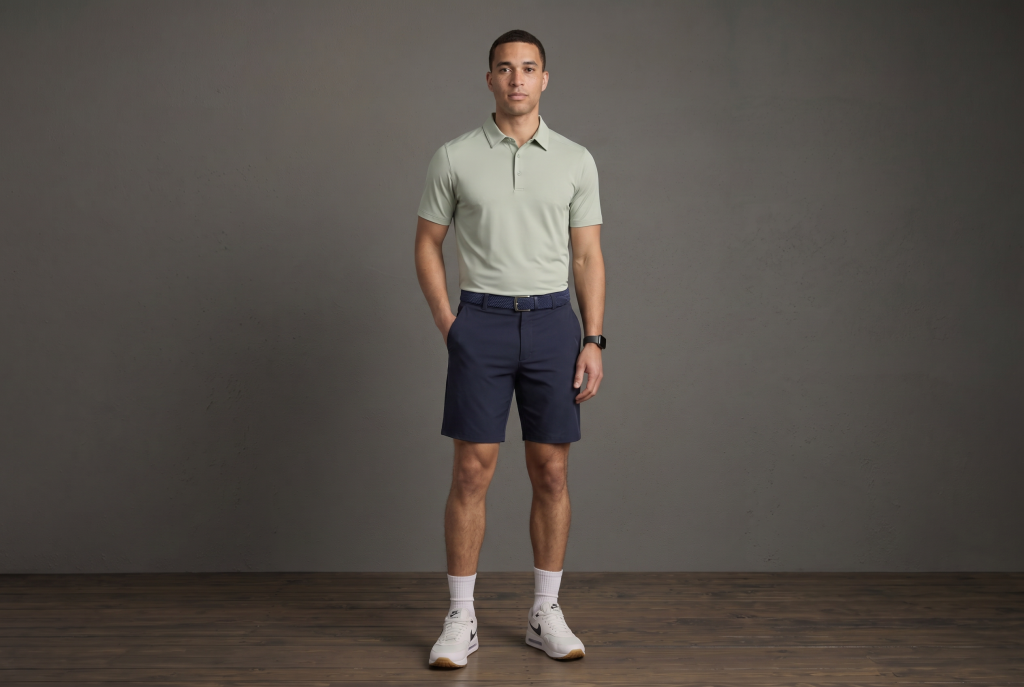
A polo that shows some shape without looking tight.
That's why I don't think the question is really whether slim fit polos have gone out of style.
The better question is:
What does a modern fitted polo look like now?
And that's where the distinction between slim fit and athletic fit becomes important.
Slim Fit Polos Aren't Dead—the Extreme Version Just Looks Different Now
Men's fashion has definitely gotten more relaxed over the last several years. Wider trousers, relaxed T-shirts and oversized silhouettes have all become more visible in contemporary menswear.
But that doesn't mean every fitted piece suddenly looks dated.
A polo is different from an oversized streetwear tee.
It's traditionally supposed to have some structure.
The collar frames your neck.
The placket creates a vertical line through your upper torso.
The sleeves frame your upper arms.
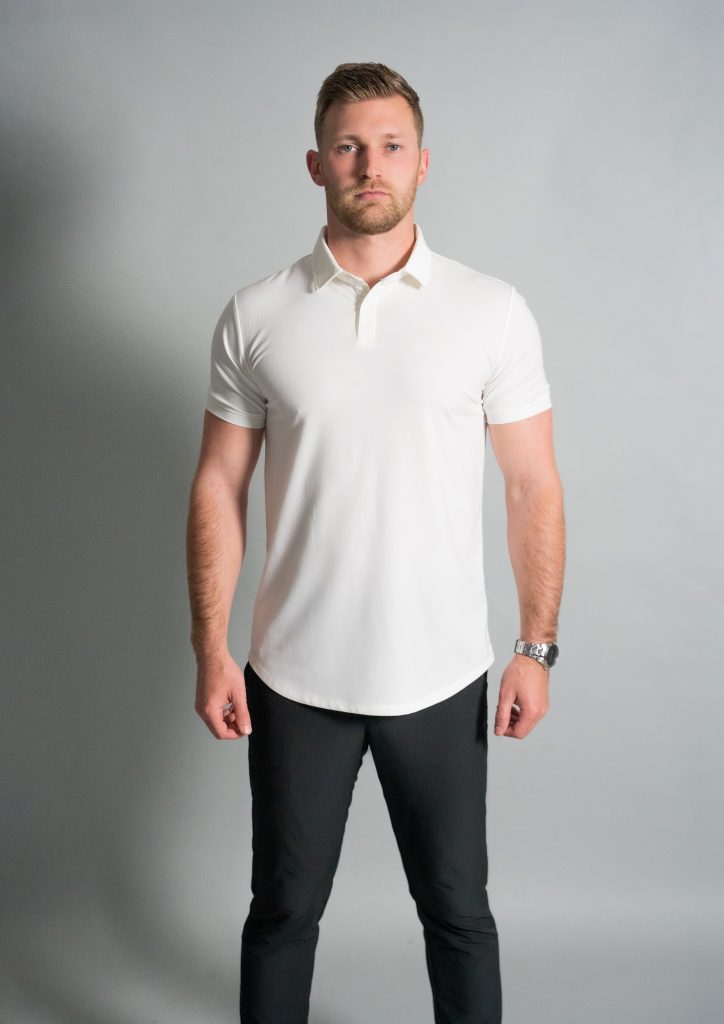
And the body of the shirt usually looks better when it has some shape.
So I wouldn't throw out a polo simply because the tag says slim fit.
What I'd pay attention to is how slim it actually is.
There's a major difference between:
Clean and fitted
and
painted onto your body.
The first still looks contemporary.
The second can make even an expensive polo look like it's a size too small.
Why Some Slim Fit Polos Can Look Dated
For me, the problem usually isn't the fact that the shirt is fitted.
It's where it's fitted.
A polo can start looking dated when everything is aggressively tight at the same time:
Tight chest.
Tight stomach.
Tiny sleeves.
High armholes.
Short body.
Restricted shoulders.
That's the version of slim fit I'd move away from.

A modern polo should still have shape, but there should be enough fabric for the shirt to drape naturally.
I don't want horizontal pulling lines across my chest.
I don't want the buttons looking like they're fighting for their lives.
And I definitely don't want to be afraid to raise my arms.
Fit should make your body look better without constantly reminding you that you're wearing a fitted shirt.
Slim Fit vs. Athletic Fit Polo: What's the Difference?
This is where I think a lot of guys are actually looking for athletic fit when they're searching for slim fit.
The terms aren't standardized across the entire clothing industry, so individual brands can use them differently.
Generally, though, I think about them like this:
| Fit | Chest & Shoulders | Waist | Sleeves | Best Suited For |
|---|---|---|---|---|
| Slim Fit | Narrower | Narrow | Slim | Naturally lean builds |
| Regular Fit | More room | More room | Relaxed | Guys wanting a traditional fit |
| Athletic Fit | More upper-body room | More tapered | Fitted | Broader shoulders/chest |
| Muscle Fit | Very close | Very close | Very fitted | Guys intentionally wanting a tight silhouette |
That's why athletic fit has become my preference.
I don't need my entire polo to be smaller.
I need more room in some places and less in others.
That's a completely different approach.
The Problem I Have With Traditional Slim Fit Polos
My shoulders and chest are usually where the problem starts.
If I size a traditional polo for my waist, the upper body can become too restrictive.
If I size it for my shoulders and chest, suddenly there's too much fabric around my stomach.
Sizing down doesn't solve that.
It just creates a different problem.
That's what made me pay more attention to the actual cut instead of whatever fit name was printed on the product page.
For an athletic build, I want:
Room across the shoulders.
Enough space through the chest.
Sleeves that follow my arms.
A cleaner waist.
That's basically the philosophy behind an athletic fit polo shirt.
This Is Why I Prefer the Stratus Polo
When we think about the Stratus Polo at Ten/10, the goal isn't to make the tightest polo possible.
It's to create the shape I actually want to wear.
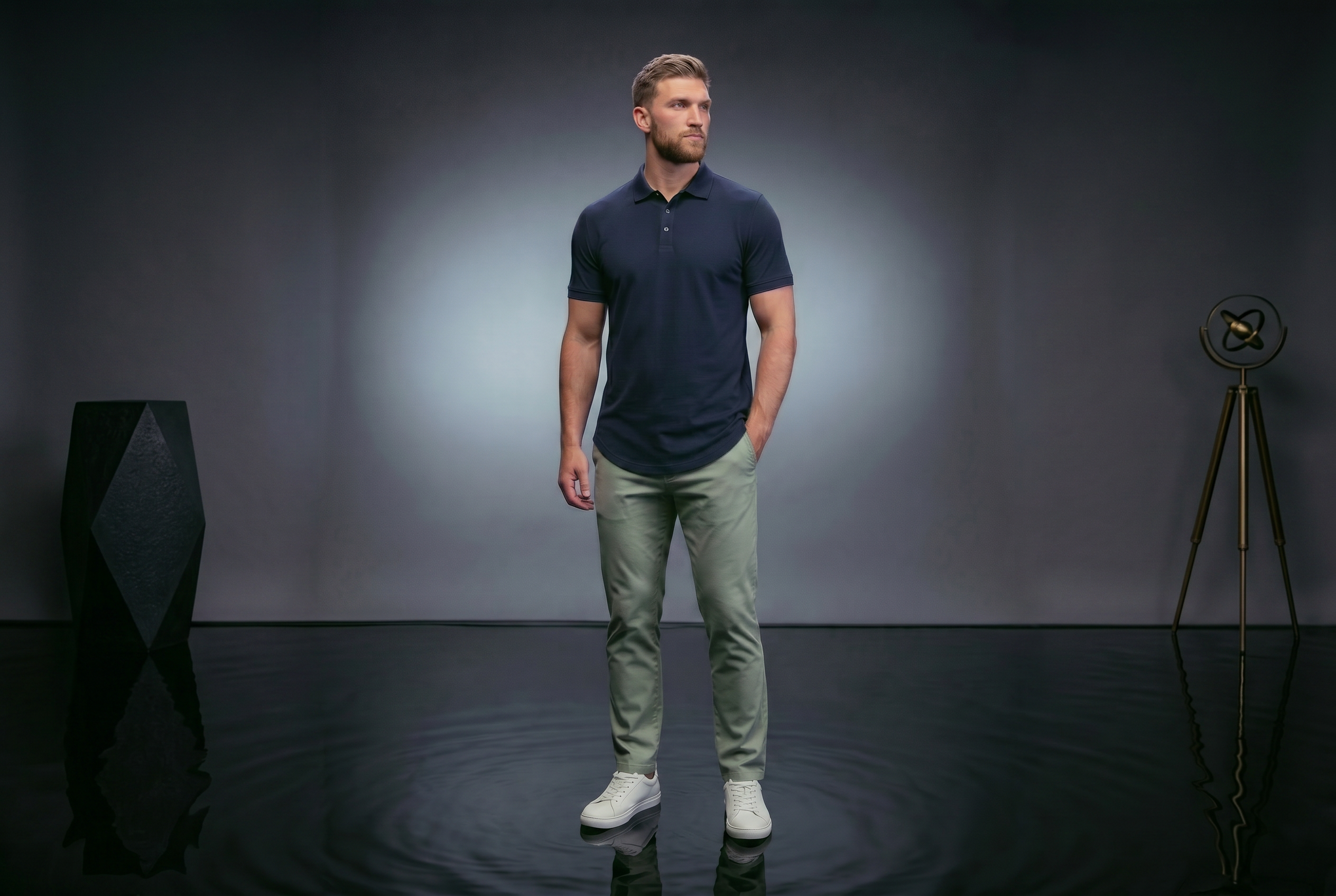
The Stratus uses an athletic form fit, rather than relying on an aggressively skinny silhouette.
That distinction matters.
I want the polo to follow the upper body and keep a clean line through the torso, but I still want to move normally.
The Stratus also uses Ten/10's Aero-Blayde™ fabric, a blend of 50% rayon, 38% nylon and 12% spandex, which gives the shirt significant stretch while maintaining a polished appearance.
That combination—tailored shape + stretch—is much closer to what I think a modern fitted polo should be.
How Should a Modern Polo Fit?
Forget the words slim, regular and athletic for a minute.
Stand in front of the mirror.
Here's what I'd actually look at.
Start With the Shoulders
This is probably the first thing I check.
The shoulder seams should sit around the edge of your shoulders rather than falling noticeably down your upper arms.
If the seams are being pulled inward, the polo may be too small.
If they're hanging far beyond your shoulders, it's probably too large or intentionally relaxed.
Look at Your Chest
A fitted polo should show that you have a chest.
It shouldn't outline every contour of it.
If you're getting strong horizontal pulling around the buttons, that's usually a sign that you need more room.
Check the Waist
This is where I think modern polos have improved.
I don't want the body falling completely straight from my chest.
Some taper creates a much cleaner silhouette.
But the fabric should still fall naturally rather than clinging to your stomach.
Pay Attention to the Sleeves
I prefer polo sleeves that sit relatively close to my arms.
Not compression tight.
Not flaring outward.
Just enough shape to make the upper body look intentional.
Make Sure You Can Move
This one gets ignored.
Reach forward.
Raise your arms.
Sit down.
Move your shoulders.
A polo can look fantastic in a product photo and still be miserable to wear.
That's why stretch matters so much to me.
Should Polo Sleeves Be Tight Around Your Arms?
This is one of the easiest ways to make a polo look better—but also one of the easiest ways to overdo it.
I like the sleeve opening to sit fairly close to the arm.
If there's a huge gap between my biceps and the sleeve, the shirt can start looking boxy even if the torso fits well.
But I don't want the sleeve digging into my arm either.
Think:
Follow the arm, don't squeeze the arm.
That's the difference.
For guys who lift, this detail becomes especially important because sizing down just to get tighter sleeves can make the chest and shoulders unnecessarily restrictive.
What About Guys With a Stomach?
This is another reason I don't think everyone should blindly chase a slim fit.
If you're carrying more weight around the midsection, an extremely tapered polo may actually emphasize the area you're trying not to emphasize.
You don't necessarily need an oversized shirt.
You just need enough room for the fabric to fall cleanly rather than cling.
A slightly more relaxed torso combined with properly fitted shoulders can often look better than squeezing into a slim fit.
The goal isn't:
Wear the smallest polo possible.
It's:
Find the silhouette that creates the cleanest proportions on your body.
Fabric Changed What I Want From a Fitted Polo
Older fitted polos could sometimes feel restrictive because there simply wasn't much stretch.
That changes when you start using modern performance fabrics.
This is why I've become much more interested in performance polo shirts.
Stretch allows you to wear a cleaner silhouette without sacrificing movement.
Moisture management becomes useful when you're golfing, traveling or wearing the polo outside.
Wrinkle resistance helps when you're wearing it for work.
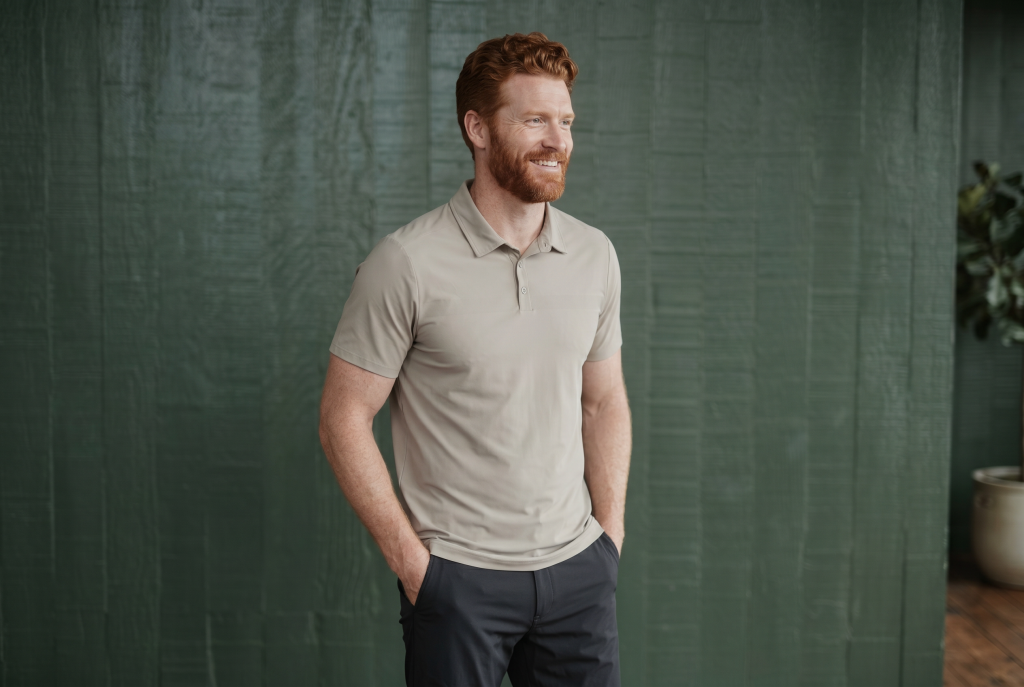
And a lightweight fabric can prevent a fitted shirt from feeling heavy.
The important part for me is that it still needs to look like a polo.
I don't want every performance polo to look like golf equipment.
That's why the Stratus is designed to bridge those two worlds.
It has performance characteristics, but the styling stays clean enough for work, dinner or a date.
Are Performance Polos More Modern Than Traditional Cotton Polos?
Not automatically.
I wouldn't say cotton polos are outdated.
A great cotton polo can still look excellent.
The difference is what you're asking the shirt to do.
If I'm sitting at dinner for two hours, cotton can be perfectly comfortable.
If I'm wearing the same polo from 9 a.m. through dinner, moving between heat, air conditioning, travel and meetings, performance characteristics become much more valuable.
That's why I think modern polos increasingly benefit from borrowing technology from activewear without necessarily borrowing the appearance of activewear.
That's the sweet spot.
Can You Still Wear a Slim Fit Polo With Slim Pants?
Yes, but I'd pay attention to the overall proportions.
This is another place where menswear has changed.
I don't necessarily want:
Tight polo + tight pants + narrow shoes.
That can make the entire outfit feel overly compressed.
If the polo is fitted, slightly straighter or more relaxed pants can create balance.
Likewise, a clean athletic-fit polo works well with chinos, tailored trousers or fitted-but-not-skinny jeans.
You don't need every piece of clothing to have the exact same fit.
In fact, I think outfits usually look more current when they don't.
Can You Wear a Fitted Polo Untucked?
Absolutely.
I actually think this is one of the best arguments for getting the fit right.
An untucked polo needs to look intentional.
If it's extremely long and wide, it can start looking like you're wearing a work uniform.
If it's extremely short and tight, it can look undersized.
I want enough length that the shirt doesn't expose my waist every time I move, but not so much that it covers a huge portion of my pants.
The torso should also maintain some shape.
That's one of the reasons I prefer a cleaner athletic silhouette for an untucked polo.
It looks finished without requiring the shirt to be tucked in.
Are Slim Fit Polos Good for Muscular Men?
Sometimes.
But this is exactly where I'd compare slim fit against athletic fit.
A muscular guy often has:
Broader shoulders.
A larger chest.
Larger arms.
A relatively smaller waist.
Traditional slim fits aren't necessarily designed around those proportions.
You can end up with a polo that's perfect through the stomach and too small everywhere else.
That's why I'd generally start with an athletic fit polo for a muscular build.
You're still getting the fitted appearance you were looking for.
You're just getting it through better proportions instead of making the entire shirt smaller.
Are Oversized Polos Replacing Slim Fit Polos?
Relaxed and oversized silhouettes are certainly part of contemporary menswear, but that doesn't mean fitted polos have disappeared.
These are different looks.
An oversized polo can lean more toward streetwear.
A fitted polo can lean more toward:
Business casual.
Golf.
Smart casual.
Date night.
Dinner.
Travel.
There's room for both.
I don't think style works particularly well when we treat every new trend as a requirement to throw away whatever came before it.
The better question is whether your clothing still looks intentional and proportionate.
What Makes a Slim Fit Polo Look Modern?
If I were getting one now, these are the details I'd prioritize:
- Enough room through the shoulders and chest
- Clean but not skin-tight waist
- Sleeves that follow the upper arms
- Stretch for comfortable movement
- A cleaner, lower-profile collar
- Minimal branding
- Lightweight fabric
- Good shape retention
- Appropriate untucked length
- No excessive pulling across the torso
Notice what's missing from that list.
"As tight as possible."
That's the part of slim fit I'd leave behind.
Slim Fit Isn't the Same Thing as Looking Fit
This is probably the biggest lesson I've learned.
Guys sometimes get a smaller shirt because they want to look more muscular.
But a shirt that's too small can actually make the entire outfit look worse.
Your shoulders pull.
Your buttons separate.
The sleeves dig into your arms.
The fabric bunches.
Instead, I want clothing that creates shape.
That's why I've gradually moved away from asking:
"How slim is this polo?"
and toward:
"How is this polo shaped?"
Those aren't the same question.
And for an athletic build, the second one matters much more.
Frequently Asked Questions
Are slim fit polos still in style in 2026?
Yes. A fitted polo can still look contemporary, particularly when it has enough room for comfortable movement. Extremely tight polos may look less current than cleaner athletic or modern fits.
Are polos still fashionable for men?
Yes. Polos continue to work across casual, smart-casual, business-casual and golf settings. The fabric, collar, fit and styling have a major influence on whether a particular polo feels contemporary.
Should a polo shirt be slim fit?
Not necessarily. Choose the fit that works with your proportions. Leaner men may prefer slim fits, while men with broader shoulders and chests may find athletic fits more comfortable and flattering.
What's the difference between slim fit and athletic fit polos?
Slim fit generally reduces width throughout the garment. Athletic fit typically allows more room through the upper body while maintaining a cleaner or tapered waist. Exact definitions vary between brands.
Should polo shirts be tight around the arms?
I prefer the sleeves to follow the upper arm without squeezing it. Large sleeve openings can make a polo look boxier, while excessively tight sleeves can look undersized and feel restrictive.
Are athletic fit polos in style?
Athletic-fit polos provide a fitted appearance without requiring the entire garment to be extremely narrow, making them particularly useful for men with broader shoulders, larger chests or muscular builds.
Can slim fit polos be worn untucked?
Yes. Pay particular attention to body length and waist fit. An untucked polo should generally be long enough to maintain coverage without extending excessively down the body.
Style Resources
For broader coverage of changing menswear proportions and contemporary men's styling, GQ Style regularly covers current menswear silhouettes and styling.
FashionBeans also has extensive men's style guides covering polos, fit, smart-casual dressing and how different silhouettes work with different body types.
Related Articles
Final Thoughts: Slim Fit Isn't Out—But I Prefer Athletic Fit
So, are slim fit polos still in style?
Yes.
I wouldn't stop wearing a polo just because the label says slim fit.
What I would stop doing is assuming that tighter automatically means better.
That's where my own preference has changed.
I still want my polo fitted.
I want the sleeves to frame my arms.
I want the chest to have shape.
I don't want a bunch of fabric hanging around my waist.
But I also want to be able to move.
That's why I've gravitated more toward athletic fit polos like the Ten/10 Stratus Polo.
It gives me the part I always liked about slim fit—the clean silhouette—without requiring the entire shirt to be cut excessively narrow.
And I think that's ultimately where the modern polo is heading:
Not oversized. Not skin-tight. Just shaped correctly.
Are Dovetail Bottom Polos Still in Style?

Where Can I Find Polos That Taper at the Waist?